1 of 10
Fermented Foods
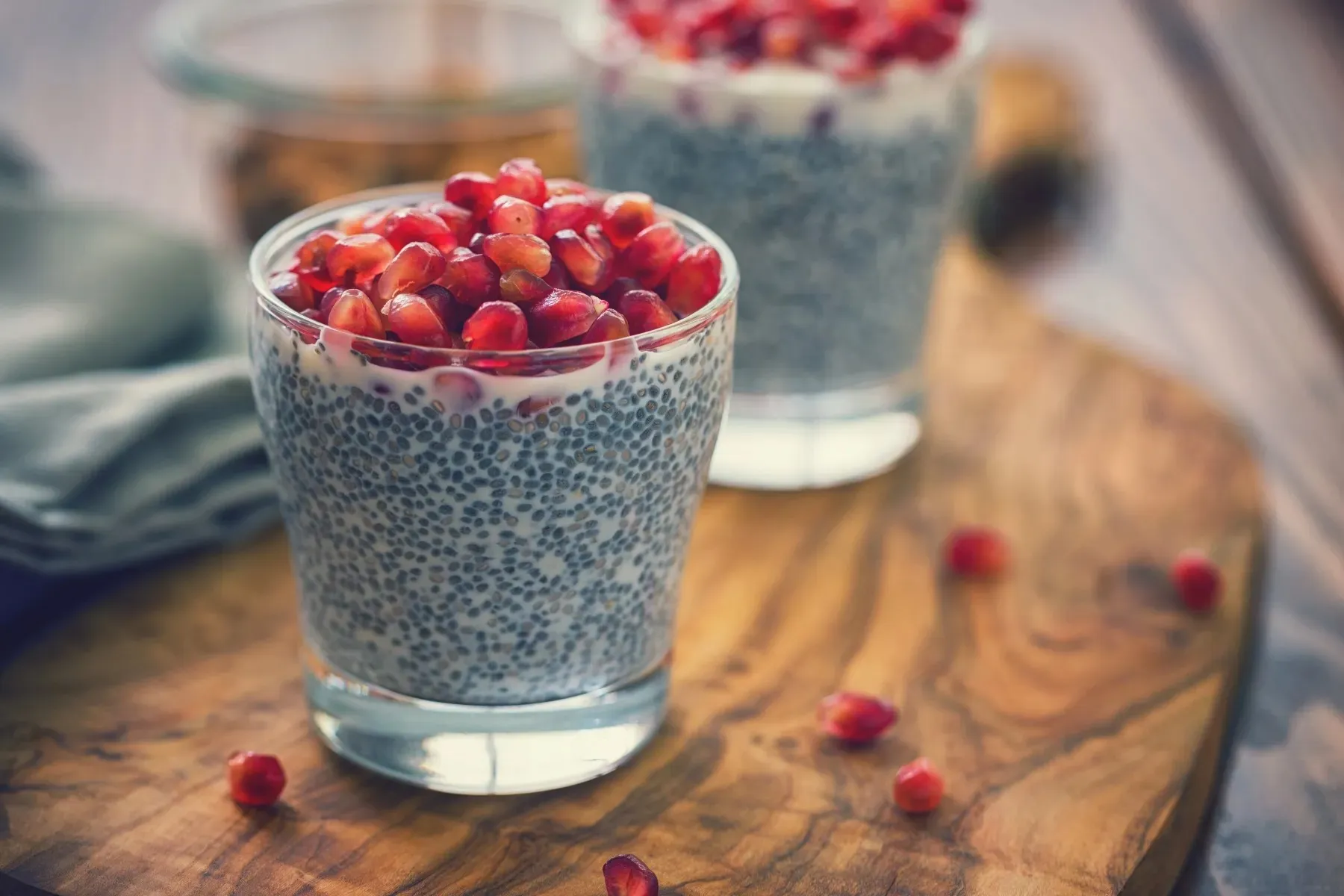
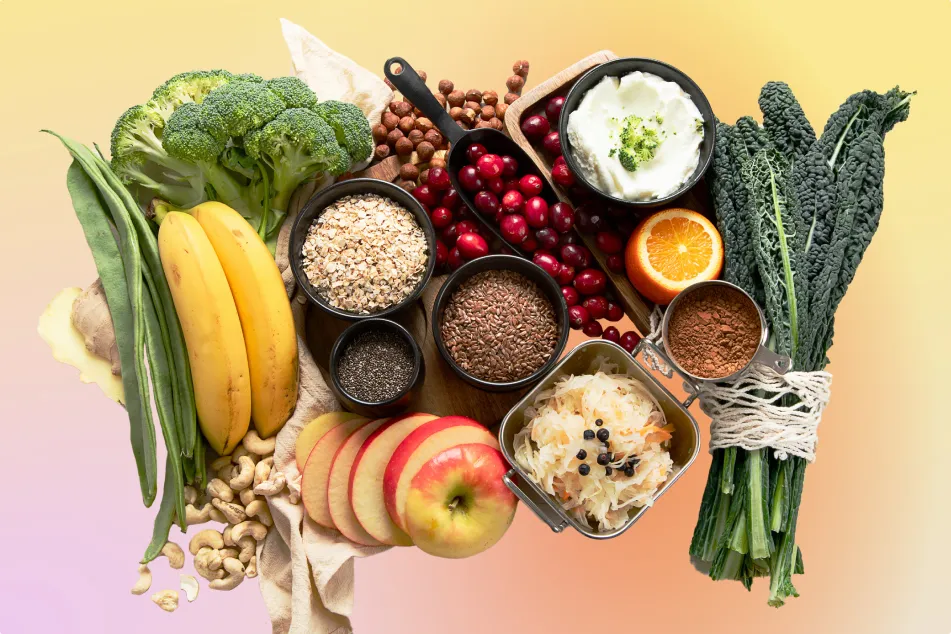
Fermented foods like yogurt, kefir, kimchi and sauerkraut are rich in probiotics, which are beneficial bacteria that can improve the balance of microbes in your gut.
2 of 10
Bananas
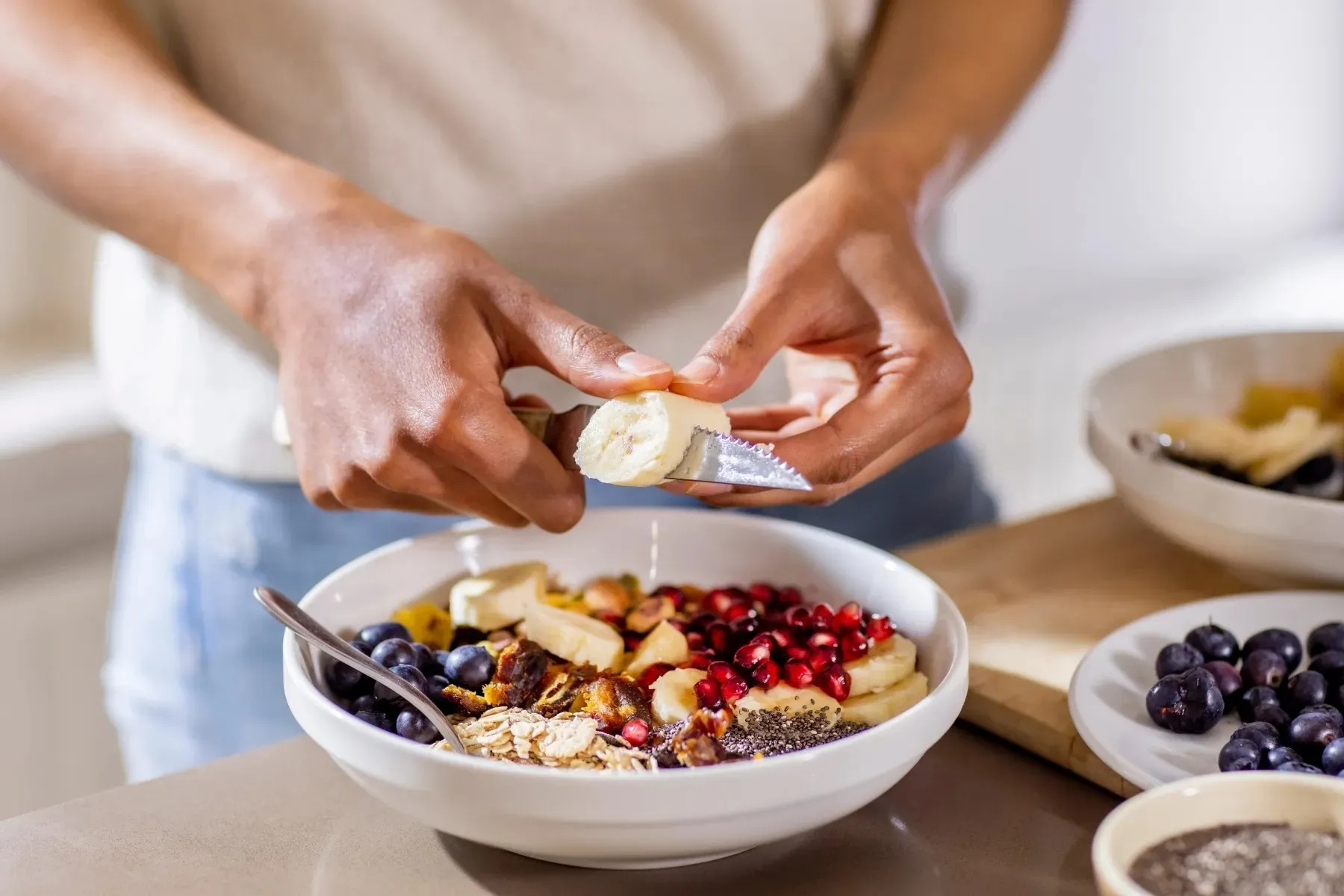
Bananas are a great source of inulin, a type of fiber that helps good bacteria in your gut thrive.
3 of 10
Leafy Greens
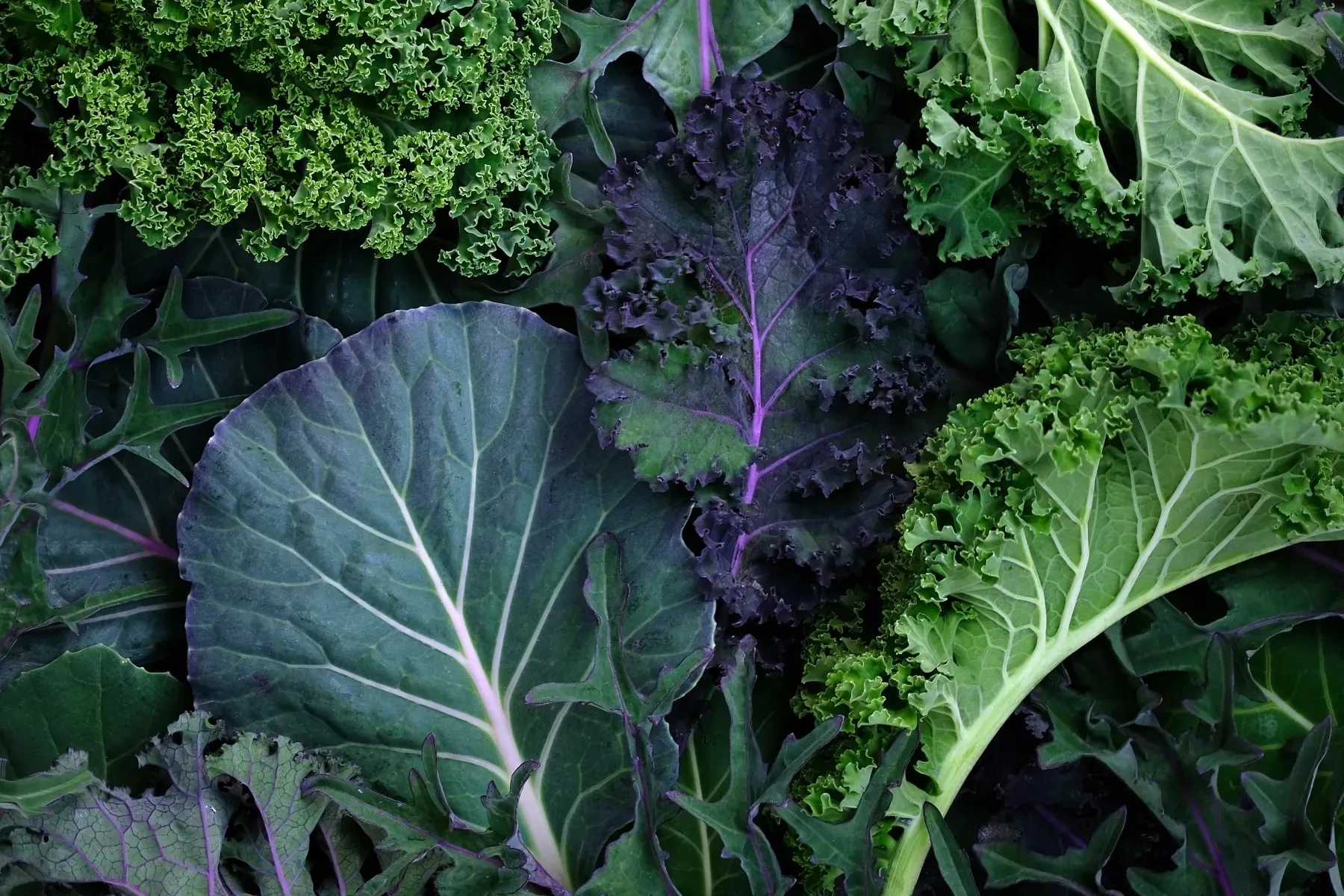
High in fiber and a special carb to boot, leafy green vegetables like spinach, kale, and broccoli are not only rich in nutrients, but beneficial for gut health.
4 of 10
Whole Grains
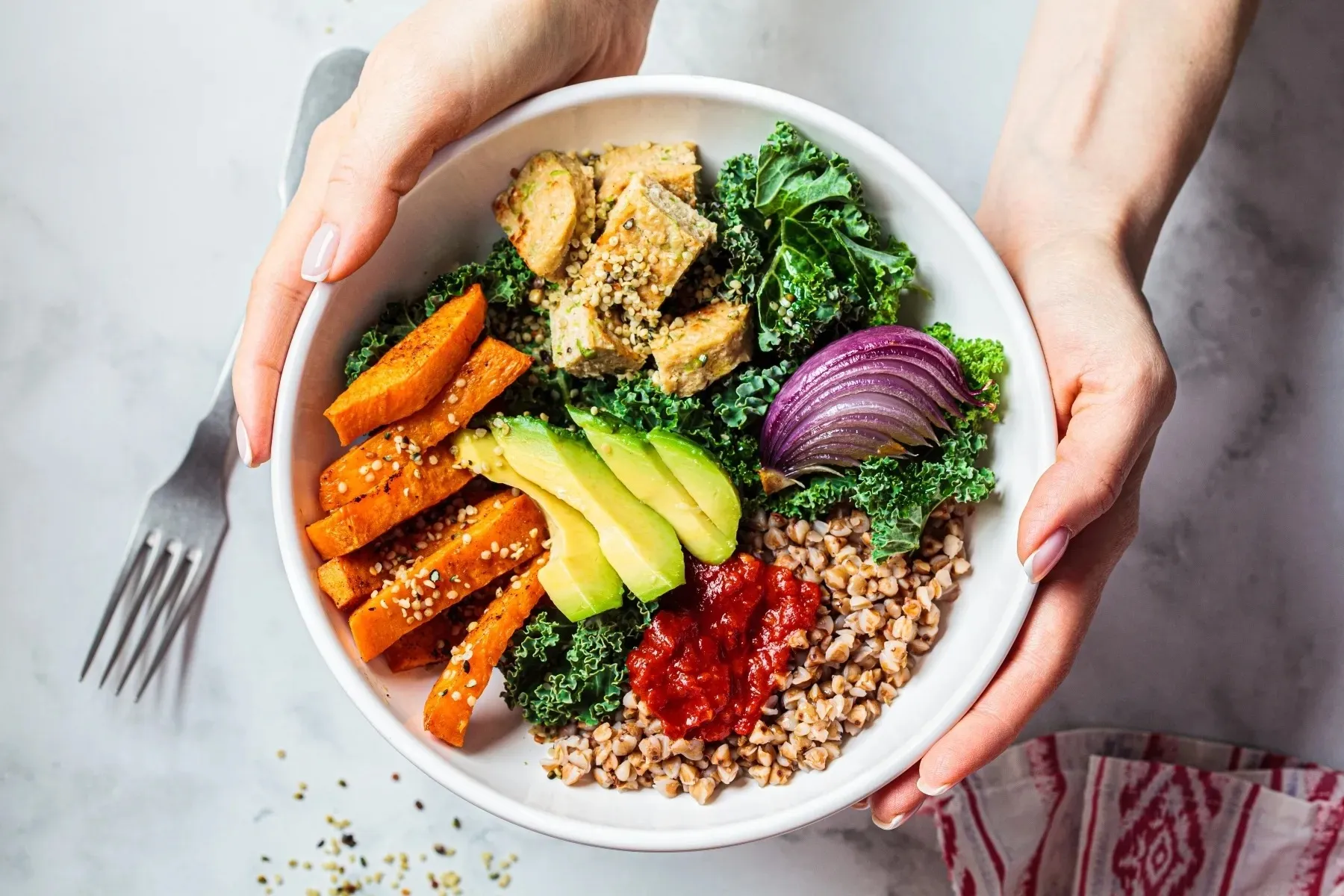
Whole grains contain fiber that can't be broken down, so they reach your lower gut and feed the helpful bacteria there.
5 of 10
Polyphenol-Rich Foods
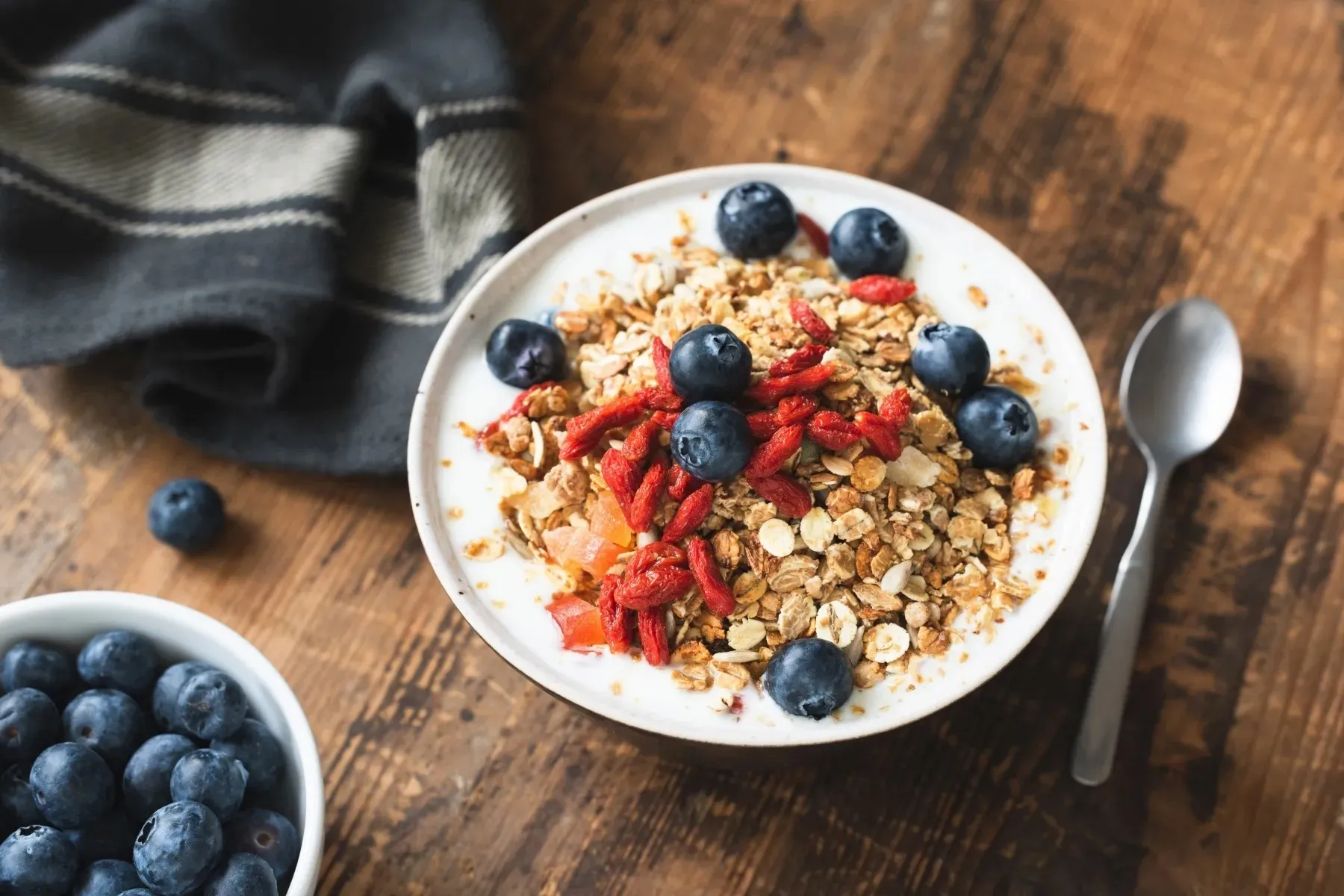
Colorful foods like berries, tea, coffee, and red wine are rich in polyphenols, health-promoting compounds found primarily in plant-based food. In addition to their benefits as antioxidants, polyphenols can promote the growth of good gut bacteria.
6 of 10
Lean Protein Sources

Red meat can trigger the growth of unhealthy gut bacteria, so nutritionists advise opting for leaner protein sources like fish, beans and tofu.
7 of 10
Avoid Fried Foods

Fried foods can damage healthy gut bacteria, so it's best to limit or avoid them entirely.
8 of 10
Avoid Foods with Antibiotics

Antibiotics can kill both good and bad bacteria in your gut, so it's important to limit foods that contain them, such as animal products that have been treated with antibiotics.
9 of 10
Limit Alcohol

Alcohol can disrupt the balance of bacteria in your gut, so it's best to consume it in moderation.
10 of 10
Be Mindful of Caffeine

Too much caffeine can irritate your digestive system, leading to diarrhea, and interfere with your circadian rhythm, which is central to health. Pay attention to your caffeine intake and stick to moderate amounts.