
Fiber is an essential nutrient with a laundry list of benefits: weight management, heart health, digestive health, blood sugar regulation, and more. It’s also debatably delicious when it’s delivered via strawberries, apples, sweet potatoes, almonds, and pasta. So it’s surprising that studies show a whopping 95% of people don’t get their daily requirement of fiber.
How much fiber do you need to reap its health benefits? You’ve heard that an apple a day keeps the doctor away, but it would actually take around eight apples to get your daily dietary fiber requirement, which is, according to the Institute of Medicine, 21 to 38 grams per day (depending on your gender and age). So what are other good ways to incorporate fiber into your diet? And why is it so important?
As a gastroenterologist who specializes in nutrition and obesity, I tell all of my patients, regardless of their health goals (weight loss, regular bowel movements, less bloating) or medical history, that dietary fiber is one of the keys to optimum health — not just in the gut, but in the body overall.
I also tell them that there are many delicious, affordable, and easy ways to incorporate more fiber into their eating plans, keep their digestive system running smoothly, and feel their best.
1 of 7
Why Is Fiber So Important?
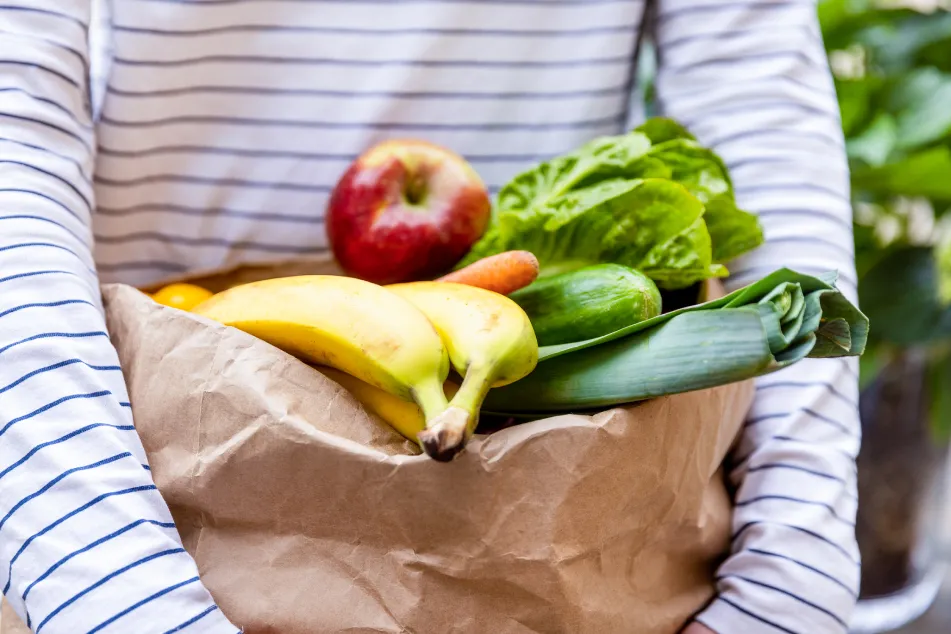
Fiber is a carbohydrate — the part of fruits, vegetables, and other natural foods that is not digestible but is vital to keeping things moving in the body. Because our bodies lack the enzymes to break down fiber, it holds firm (literally, in some cases) and keeps the pipes within the digestive tract flowing.
Our diet requires two kinds of fiber: soluble and insoluble. Soluble fiber is the type that dissolves in water and acts like a sponge. Think of plain oatmeal. When you throw it in a bucket of water, it spreads out and fills the shape of the bucket. Soluble fiber draws in water, softens stools, and helps keep the colon clean.
Insoluble fiber is more like roughage. Think of salad or broccoli. When you throw it in a bucket of water, it doesn’t change shape because the strands of it are more fibrous. Insoluble fiber helps bulk up the stool and helps the body eliminate waste.
Both kinds of fiber are equally beneficial to good health, and both serve important roles in a balanced diet. The optimum ratio of these types of fiber will depend on your overall and digestive health and your tolerance of different types of fiber.
2 of 7
What Are the Risks of Fiber Deficiency?

Bloating and constipation may be signs that you’re not eating enough fiber. If you don’t get enough fiber from foods, your stool won’t move as well. And that, in turn, can cause distention and pain. (If you’re feeling intense pain or distention, consult with your doctor).
Another benefit to eating fiber: It makes you feel full, which makes it a valuable tool for people trying to lose weight. New studies also show that fiber slows down the absorption of certain foods during digestion, which helps minimize spikes in blood sugar that can result in cravings.
When it comes to weight loss, soluble fiber in particular can help reduce symptoms related to GLP-1 medications (as long as it is consumed with an appropriate amount of water!)
3 of 7
The Fiber-Health Connection

The benefits of dietary fiber go beyond the gut. In fact, there’s more and more evidence linking a fiber-rich diet to better health and a longer life — with fiber working to bring down elevated levels of cholesterol and reduce the risks of conditions like heart disease, diabetes, and some types of digestive cancer.
4 of 7
Easy Ways to Eat More Fiber
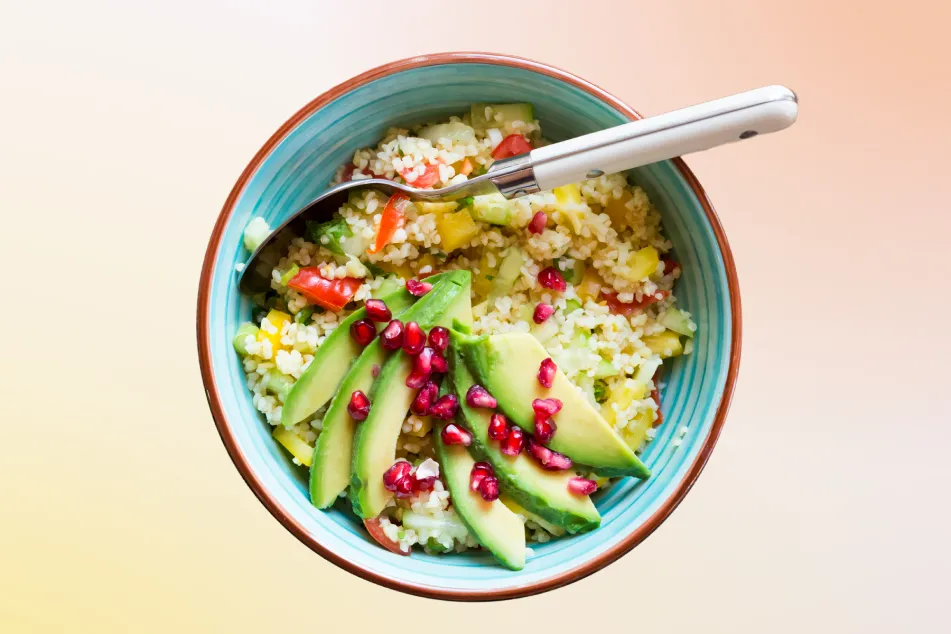
Eight apples a day is not realistic. Enrich your diet by trying a variety of fiber-rich foods. And start small. For example, begin by sprinkling some ground flaxseeds on your morning cereal, adding chickpeas to your salad, or enjoying light, unflavored microwave popcorn as a snack. Choose whole wheat or lentil-based over regular pasta, or brown rice instead of white.
Here are some other tips for incorporating more fiber into your diet, along with some fiber-rich food suggestions.
Avoid processed foods. Foods that are quick and easy to prepare typically contain little fiber. Stick with natural foods like whole fruits, vegetables, whole-grain bread, nuts, and seeds when preparing meals or snacks. Fiber-rich diets also tend to be high in vitamins, minerals, and healthful plant-based compounds, which makes them even more beneficial to your health. Here are some fiber-rich foods to incorporate into your diet:
- Raspberries (1 cup = 8 grams of fiber)
- Black beans (1/2 cup cooked = 7.5 grams of fiber)
- Steel cut oats (1 cup cooked = 5 grams of fiber)
- Quinoa (1 cup cooked = 5 grams of fiber)
- Avocado (1/2 = 5 grams of fiber)
- Broccoli (1 cup cooked = 5 grams of fiber)
- Chia seeds (1 tablespoon = 4 grams of fiber)
- Almonds (1 ounce = 3.5 grams of fiber)
5 of 7
An Optimal Fiber Plan

Eat, don’t drink, your fiber. Don’t drink a glass of fruit juice, for example, when you can eat a piece of whole fruit instead. The fiber in a piece of fruit, which is typically eliminated when juiced, contains more nutrients. Plus, the fiber-rich fruit will keep you feeling full longer and regulate the blood sugar spike that may occur with the natural sugars in the fruit.
Look at nutrition labels. When reading nutrition labels, pay attention to the amount of fiber per serving. Three grams of fiber per serving is a good benchmark; 5 grams is even better.
Experiment with color. Try different high-fiber foods in a rainbow of colors. Not only will they look appealing on your plate, but they’ll also provide you with a wide selection of nutrients and fiber types. Consider red peppers, orange carrots, golden beets, and green beans, for example. Like vitamins, a variety of fiber is needed to keep your body healthy.
6 of 7
Sustainable Fiber Habits

Pay attention to what tastes good. When changing your diet and making healthy food substitutes, flexibility is important. So is finding foods that you actually enjoy eating, which will help you stick with a healthy eating plan for the long term. There’s no sense in trying to follow a diet that requires foods you don’t like eating. In other words, ditch brussels sprouts for broccoli or green peas, if you like.
Scrutinize “whole-grain.” Opt for whole-grain breads and read nutrition labels carefully for fiber content. Some products that claim to be “whole-grain” are not good sources of fiber.
Up for some (easy) math? I advise my patients to not only look for “whole grains” as the first ingredient on nutrition labels, but to also calculate the ratio of carbohydrate to fiber. If the amount of total grams of carbs in a food, divided by the amount of fiber that’s in it, is below 5, that’s good. For example, if a product has 10 grams of carbohydrates and 5 grams of those are fiber, that’s a value of 2, which is great.
Tolerate a little gas. Gas is the body’s natural response to fiber. That’s because your gut is like a brewery where fiber ferments to serve up its many health benefits. If you experience a little gas after eating certain foods, that doesn’t mean that food isn’t good for you. Gas symptoms also often improve over time as you increase fiber in your diet, which shifts your gut microbiome to more easily tolerate these foods. If your gas is severe, consult with your doctor.
7 of 7
A Holistic Health Plan
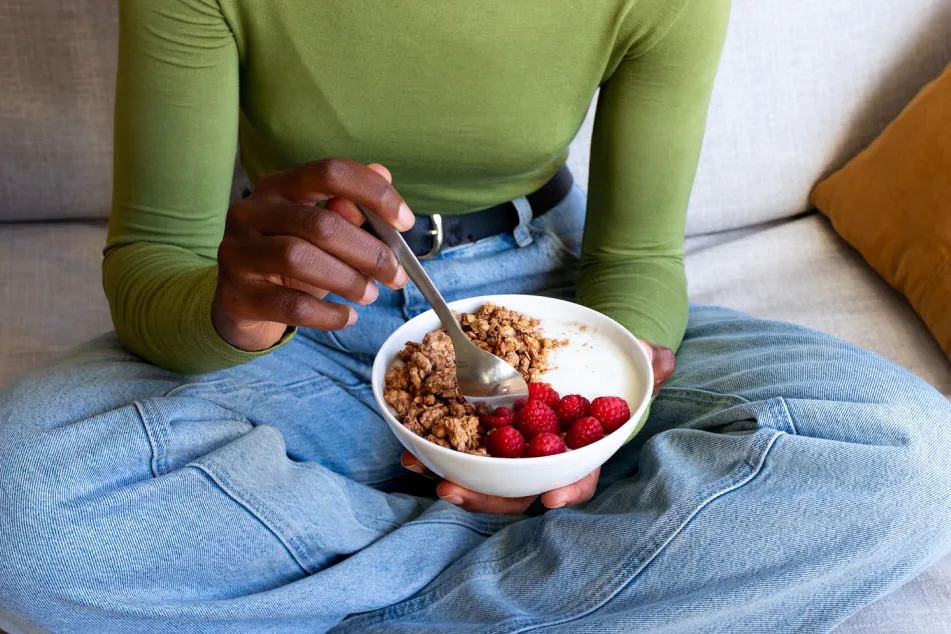
Don’t rely on supplements. There’s a lot of talk right now about fiber supplements and foods that are “prebiotic” (which is another term for fiber). There is also interest in “probiotics,” which are healthy bacteria and fungi that feed on prebiotics. But scientific data supporting claims of their health benefits are still forthcoming. I’m a proponent of getting fiber and probiotics through food when possible. For probiotics, fermented options like kombucha and kimchi, and plain yogurt, can make good choices. Just make sure that the prebiotic or high-fiber food product you choose doesn't contain added sugar.
Adopt other healthy habits.Dietary fiber is just one of many ways to improve your health and well-being and keep your digestive system running smoothly. Other essential habits include staying hydrated, getting enough sleep (seven to eight hours a day for most adults), and exercising regularly.