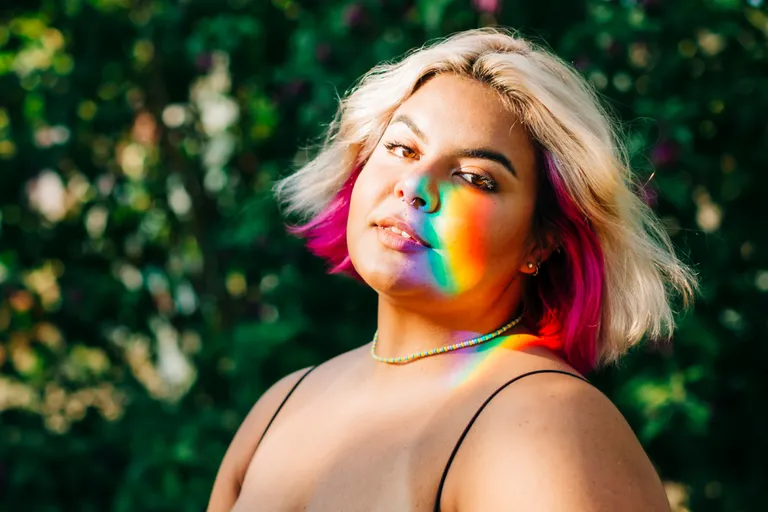
Weight is not a moral issue, but Western culture cons women into the great lie that thinner is better. We know it's a lie, but we look in the mirror and feel ashamed of our bodies anyway. You can draw a straight line from that shame right to the most toxic parts of our culture.
I knew all this. I also knew that I'd gained weight not because I'd suddenly started snarfing cookies, but because I'd weaned myself off a medication I shouldn't have been prescribed in the first place. At the same time, perimenopause slammed harder than Warped Tour mosh pit circa 1997.
I felt awful, and I felt like I looked awful, though I probably didn't. But I'm too ADHD to count calories, and too much of an indoor kid to exercise.
So, I decided to try a keto diet to lose some weight. I wasn't prepared for the rest of what would happen.
The Keto Diet
The majority of calories in the normal American diet come from processed carbohydrates. Keto diets work by throwing your body into ketosis – instead of burning carbs for fuel, your body burns fat. When you follow a keto diet, you eat about 165 grams of fat, 75 grams of protein, and 20-50 grams of carbs per day. Those are just numbers, so picture this: a banana has about 35 grams of carbs.
A keto diet is seriously strict. You can't eat anything carb-y, because almost anything you can eat contains a few carbs. Once you add them up, you're probably already approaching your limit. That means no bread, beans, pasta, muffins, candy, fruit, or sugar of any kind.
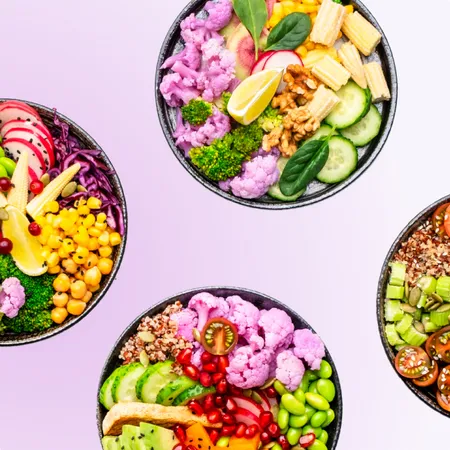
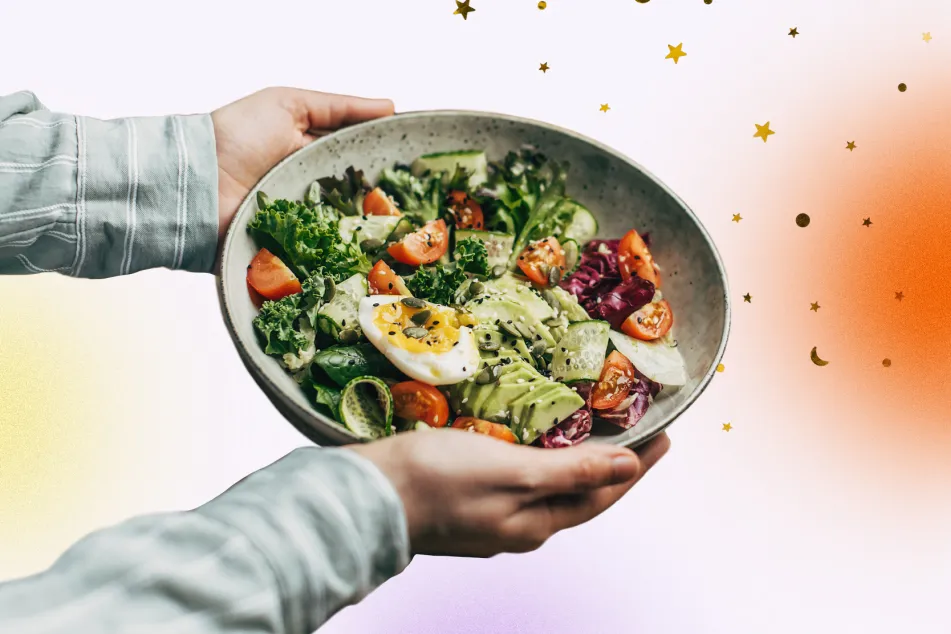
But you can have all the vegetables you want, and all the meat you can eat. Avocados. Coconut. You'll never be hungry. This was important to me, because my impulse control sucks. In fact, your stomach is likely to get full before you hit your nutrition goals, so you absolutely have to take vitamin supplements.
Keto diets aren't for everyone. They can come with health risks, so do your research before jumping in.
Keto's Unexpected Benefits
The keto diet was hard, but I did it. I kept my kids' snacks in one place, separate from the rest of the food, and sternly told myself that those snacks were what we call off-limits. I did a lot of research on keto cooking and, shockingly, I didn't mind it. Maybe it worked because, as a neurodivergent woman, I tend to eat the same thing every day for two weeks until I hate it, then move on to something else (repeat ad nauseum). It helped that I could have bitter black chocolate, and that I have a $30 Facebook Marketplace espresso machine (100% worth it, no regrets).
Did I lose weight? I did. I lost plenty of weight. That's what I was hoping would happen.
But I wasn't prepared for the effects of the diet on my brain.
Any woman who's hit perimenopause knows that hormone fluctuations can make your brain turn into reheated spaghetti. I couldn't remember anything. I found myself crying in my car. I'm so flaky, I texted my husband.
But the longer I went low- or no-carb, the more life evened out. I felt like myself. I started remembering appointments again. Motivation became easier to find. I no longer agreed to commitments and then forgot about them as soon as the "yes" left my lips. Even better, my impulse control improved. I actually had a thought process about my actions. It felt like hormones had stopped shredding my brain to pieces.
Did I fall off the wagon? Absolutely. Birthday season started, and you can't not eat your own birthday cake.
I've definitely noticed a difference in how my mind's working – and I'm not the only one. The moms in my local homeschool group have taken to reminding me about deadlines, because they know I'm struggling. When one of them reminded me about an upcoming registration date the other day, I broke down in tears at her kindness.
So I'm about to start the keto diet again. It's not easy, but it feels like it gives me my brain back. And if I lose some of the weight I've gained, that'll be a side bonus.