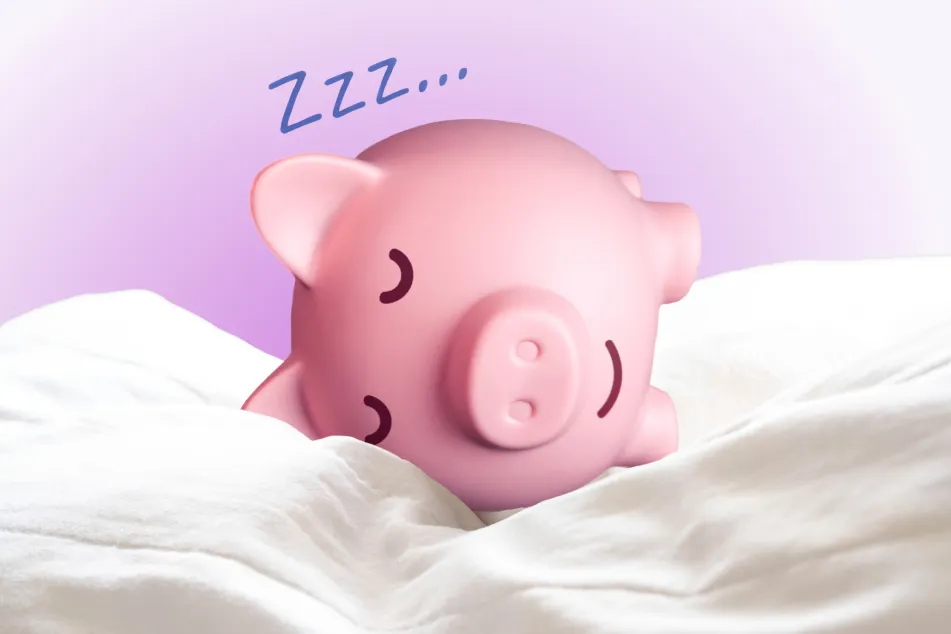
It’s tempting to think about sleep like a bank account, where you can deposit and withdraw amounts to add up to a total balance. This isn’t how sleep works, though.
Sleep works more the way diet does, said Michael Grandner, PhD, director of the Sleep and Health Research Program at the University of Arizona, during his 2025 Embody webinar, “How Better Sleep Promotes Mental, Metabolic, and Cardiovascular Health.” “There's no amount of kale you can eat on the weekends to make up for eating nothing but cheeseburgers and pizza all week,” he explained.
But the good news is you don't have to achieve full recovery to get some benefits from additional sleep. The body responds more quickly to sleep changes than it does to dietary or exercise changes, generally speaking. Grandner explained that getting two to three nights of good-quality, adequate-duration sleep — even after years of bad sleep — will make a huge difference in how you feel.
“Research shows very clearly that the performance of sleep-deprived people is impaired. But if you give them two nights of high-quality sleep, they will perform as if they're well-rested even though, biologically speaking, they're not,” Grandner said. “As they continue getting good-quality sleep, their internal deficits slowly start to catch up.”
Their improved mood and decision-making help them make the wise choices that protect their sleep. A virtuous cycle ensues wherein their improved mood and performance continues, affording the body a chance to gradually recover from chronic sleep loss.
So, you can’t spend a month barely sleeping, and then make up for it by over-sleeping for a week. You can’t just credit your overdrawn “sleep account” with a stretch of good sleep. But you can stop unhealthy sleeping habits at any point, and once you do, you’ll start to feel the benefits very quickly. These benefits will gain momentum, kicking off a virtuous cycle, and your body will thank you for it.