We need clean oxygen, water, and food. These are not “nice to haves.” These are necessities.
Sleep belongs on this list, but it is rarely included. We know we need some sleep to function, but the recommended seven to eight hours nightly seems unrealistic, even unnecessary to many.
They are wrong, says Michael Grandner, PhD, director of the Sleep and Health Research Program at the University of Arizona, who offered persuasive scientific evidence to the contrary in his 2025 Embody webinar, “How Better Sleep Promotes Mental, Metabolic, and Cardiovascular Health.”
“Sleep is non-negotiable,” he said. “We don't sleep because we enjoy it or even because it's good for us. We sleep for the same reason we breathe: It’s a requirement.”
Because sleep is foundational to our health, getting poor-quality sleep can lead to a host of health problems impacting multiple body systems, including the metabolic, cardiovascular, neurological, and endocrine systems.
Here are five research-backed, sometimes-surprising facts about sleep that Grandner hopes will persuade more people to take sleep seriously — and often.
1 of 5
Sleep loss changes your hunger — what you crave, and when.
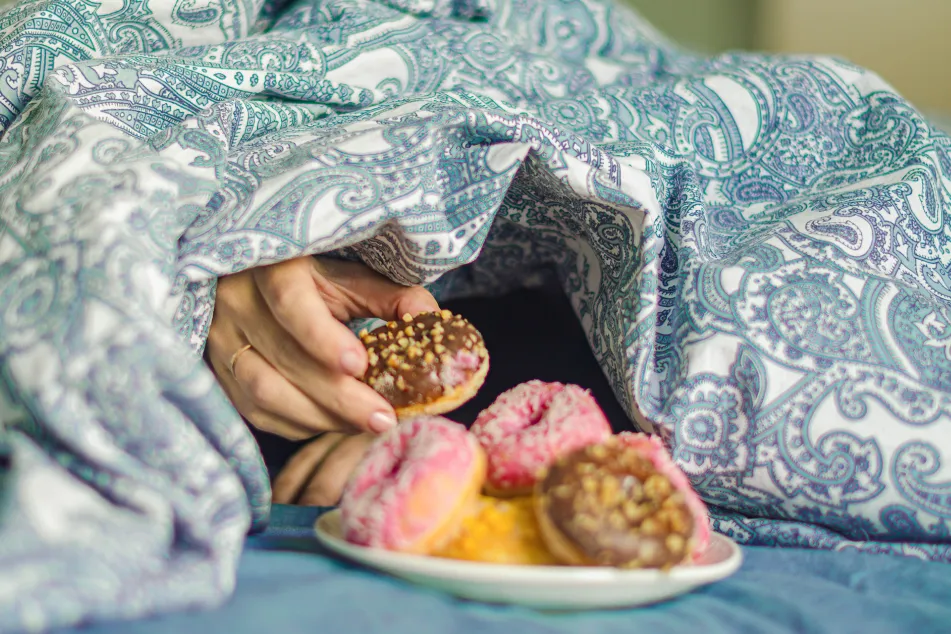
Studies show that getting less than seven or eight hours of sleep raises your risk of developing obesity, diabetes, and hypertension, among other conditions. “People who aren't getting adequate sleep are more likely to gain weight — and to gain it faster,” Grandner explained. “Weight management is especially sensitive to sleep loss.”
There are several pathways that lead from inadequate sleep to weight gain. Among them are changes that occur in the brain that compromise our decision-making and that change the nature and timing of our hunger.
“Eating has to do with emotional states, cognitive choices, and cravings just as much as it has to do with metabolism and hormones,” Grandner said. “These concepts aren’t completely separate. In fact, they're overlapping.”
“When people are sleep deprived, they are more likely to get hungry later at night and strongly prefer more calorie-dense food,” he explained. “Nobody craves a salad at 2 in the morning.”
Studies have found sleep-deprived people consume several hundred extra calories every night just by staying up. On average, they gain 2 pounds per week because of this change in eating habits.
2 of 5
Chronically tired people are poor judges of their own fatigue.

Sleep deprivation weakens our cognitive and mental performance, with a cumulative effect. Yet, when sleep-deprived study participants are asked about their experience of fatigue, they under-estimate their tiredness, thinking they are better rested than they are.
An analysis of CDC data on drowsy driving demonstrated this phenomenon, finding that drivers who got five or six hours of sleep were more likely to nod off behind the wheel than those who were better rested, even in cases where the driver thought they were fully rested.
“People often have no clue how well rested they are,” Grandner said. “Partially it's because impaired people don't know how impaired they are, but it's also because, after a few days, that impairment becomes their new normal.”
3 of 5
Caffeine perks you up, but it’s no magic remedy.

You don’t need a world-renowned sleep expert to tell you that a jumbo cup of coffee can improve alertness and functioning after too little sleep. In fact, research confirms that caffeine can reduce fatigue and improve speed and reaction time.
But the data also makes clear that caffeine cannot help with the big-picture deficiencies caused by sleep loss, such as impairments to complex decision-making. “A sleep-deprived person who is caffeinated may be more awake, but their brain is still not functioning optimally,” said Grandner. “So, they’re just making bad decisions faster.”
It’s also important to consider that caffeine can delay your sleep onset at night. Though sensitivity varies by person, caffeine has been found to remain in the system for up to 10 hours. So, the cup of coffee that rescues you in midafternoon may tank your sleep that night, ensuring you’ll need more coffee the next morning.
4 of 5
We literally don’t think clearly late at night.
Many systems in our body work according to 24-hour cycles, so when we are awake at times when our body expects us to be sleeping, the functioning of many parts of us, including our brain, can be impacted.
“Being awake in the middle of the night, when your body and brain want to be asleep, could be a problem,” Grandner explained. According to the “mind after midnight” hypothesis, our mood, reward-processing, and executive-functioning skills are all altered during nocturnal wakefulness. Grandner’s research found these differences were associated with significant increases in maladaptive behaviors like substance use, suicidality, and violent crime during the hours between midnight and 5 a.m.
“You may not be in your right mind, literally, in the middle of the night,” Grandner said.
“So, whatever thoughts are going on in your head, don’t take them too seriously.”
5 of 5
90% of people with sleep apnea don’t know they have it.
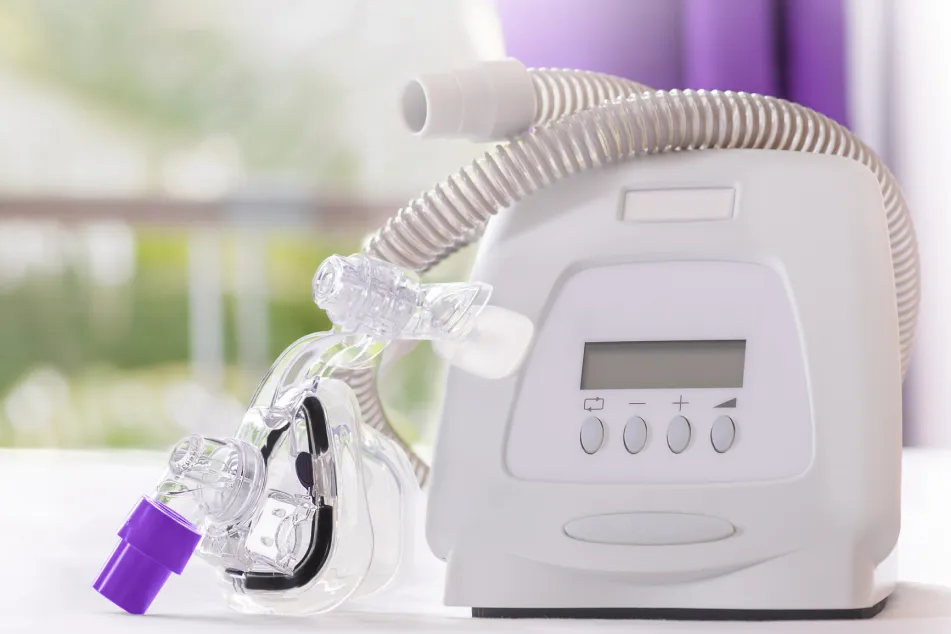
Obstructive sleep apnea (OSA) is far more common than most people think, but it often goes undiagnosed because the apneas, or pauses in breathing, occur while people are sleeping. They are unaware of the lapses.
Common signs and risk factors of OSA are loud snoring, high blood pressure, obesity, being over 50, and daytime tiredness. Other symptoms are more nuanced and, thus, easy to miss.
“It could be things like waking up at 3 a.m., suddenly wide awake for no specific reason, and having a really hard time getting back to sleep,” Grandner explained. “Maybe that reason was a respiratory event that happened during sleep that shot up your adrenaline.”
He said that in his clinical practice, he often sees patients, especially women, who have experienced these kinds of enigmatic night wakings, which are misattributed to stress or anxiety, rather than recognized as the aftermath of a respiratory event.
“If you feel like your sleep is very choppy and shallow, and you’re not sure why, or if you wake up thinking, ‘I slept, so I don’t understand why I’m so tired,’ one of the most common explanations is undiagnosed sleep apnea,” Grandner said.