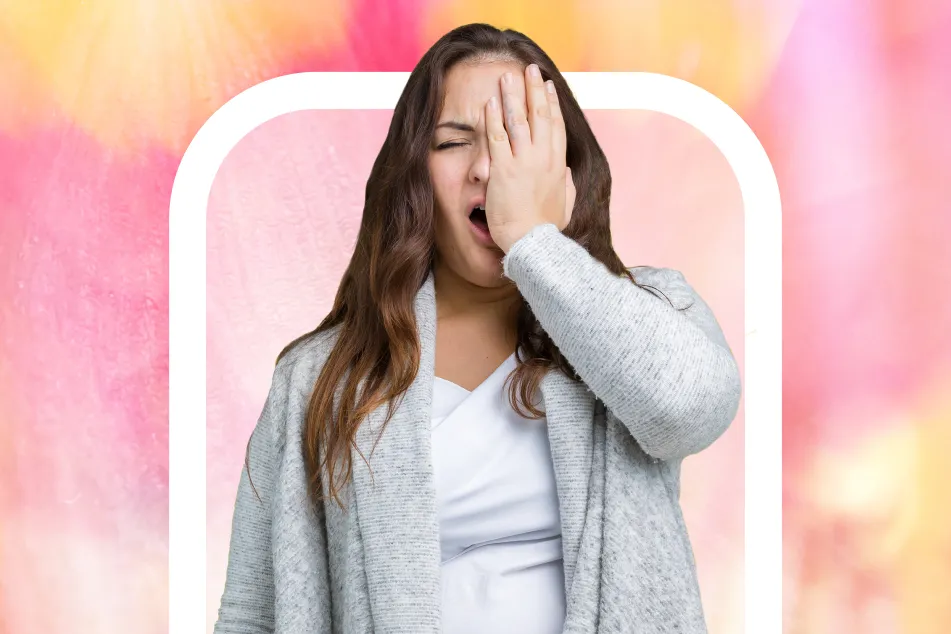
A restful night’s sleep is so essential — and elusive. More than a third of U.S. adults get less than seven hours of sleep a night — the minimum recommendation. The reasons for this sleep shortage are myriad and complex. Many of us struggle to carve out enough time for sleep in our hectic schedules, and others lie awake as the hours tick by, unable to doze off. In a survey from the American Academy of Sleep Medicine, 12% of Americans reported being diagnosed with chronic insomnia. The age group that gets the least sleep is 45- to 64-year-olds, with men getting less sleep, on average, than women.
Inadequate sleep can have debilitating consequences — and not just the next day. Significant new research reveals that poor sleep can contribute to a host of chronic illnesses. This self-perpetuating cycle can be interrupted with a range of interventions.The first step is recognizing the specific ripple effects of poor sleep in your life.
When we asked readers to reflect on how sleep challenges impact their day-to-day living, myriad consequences were clarified in vivid detail. Poor sleep leaves readers feeling irritable, moody, and unmotivated. It affects their diet and exercise behaviors, causes friction in their relationships, and contributes to anxiety and depression. From cancelled morning plans to short-tempered outbursts, here’s what poor sleep looks like in the lives of Embody readers:
“Sleep-related challenges significantly impact my health and daily life, as well as my relationships with loved ones. Poor sleep leaves me feeling physically drained and mentally foggy, making it difficult to focus, stay productive, and manage stress. It often results in mood swings, irritability, and a shorter temper, which can unintentionally strain interactions with those closest to me.” —Rachel, Tennessee
“I'm never at 100% because lack of sleep is always a weight on me. It impacts everything. I have a shorter temper, I'm less likely to exercise, plans get canceled, I reach for less healthy food, and my partner never gets to see the best me.” —Mariah, Illinois
“Chronic fatigue affects every facet of my life, making me more irritable and more likely to binge on unhealthy foods, which results in weight gain and increased pain issues.” —Mary Jo, North Carolina
“My delayed circadian rhythm means I want to go to sleep late and get up late. Because I work best at night, I will often work through the night when on deadline and sleep in the morning. It takes me so long to wake up and get out of bed in the morning that I struggle to do anything useful before midday, and it is 3 p.m. before my brain kicks in. It is a struggle to force my rhythm to fit in with other people.” —An Embody Reader
“I am frequently frustrated by how often I suffer sleep-related consequences despite my knowledge of what to do differently. Revenge bedtime procrastination and screen time late at night are my biggest enemies. In the past two years, I have adjusted my work life to allow more time for sleep in the morning. Despite this, I continue to struggle with sleep inertia in the morning, fatigue and distractibility during the day, and, thus, reduced productivity.” —Erin, Maryland
“The continuous lack of quality sleep over the past nine years has slowly made me a less patient and present parent, a less communicative family member, and increasingly depressed. I can't keep up with the challenges of carrying the mental load of my household, so I constantly feel like a failure.” —Nicole, Maine
“My memory and mood are affected if I don’t have enough sleep. I feel very scattered and become upset easily. I find it difficult to have a regular sleep schedule. My husband asks me to go to bed at the same time as him, but I always have a reason why I can’t. He used to get mad at me and now he just feels sad. I don’t get to see him before he leaves for work because I’m still sleeping. It’s a battle I fight every day and I’m not winning.” —Cheryl, Canada
“The biggest issue for me was growing up hearing negative messaging about how I would ‘waste time’ by ‘sleeping in.’ Even as a 42-year-old adult, I still have to combat this stigma with my family. Because they don't experience the intense level of struggle with sleep that I do, they really cannot understand that it is a disorder and not a weakness of will.” —Jen, Oregon
“My lack of energy can limit quality time and shared activities with loved ones. These challenges have shown me how sleep deprivation doesn’t just affect the person experiencing it — it creates a ripple effect that impacts everyone around them.” —Rachel, Tennessee
“I feel groggy until early afternoon (my eyelids feel so incredibly heavy). It makes me anxious about having to get up early for work. I have a reputation for not doing things in the mornings, so I miss out on things. I feel unsafe to drive, can't follow conversations, can't process or think until the afternoon, which isn't helpful at work.” —Mia, United Kingdom
“Difficulty falling or staying asleep leaves me exhausted and less able to focus or regulate my emotions during the day. Sleep deprivation exacerbates my anxiety and mood disorder. Poor sleep makes me very irritable and I'm more likely to have emotional outbursts.” —Pamela, Michigan
“I had some pretty ugly fights with my mother because she refused to believe that I couldn't sleep — she thought it was a choice I was making. My doctor also refused to try any sleep medication because ‘I was too young’ and ‘didn't need it.’ This happened in my 20s after a decade of issues.” —Gracia, Spain