If your love life were a movie, would it be a rom-com with a cheerful meet-cute? A story more thrilling and dramatic? Or maybe a film that makes you cry — a lot?
Whatever the answer, chances are, your love-life movie has stayed oddly consistent over the years. The actors may change, the locations may differ, but the plotlines? Uncomfortably familiar.
If that guess hits close to home, there’s a reason. It’s not you, but something inside you, that’s been quietly directing things for years: a core wound.
1 of 8
What Is a Core Wound?
Your core wound is the emotional story you carry about who you have to be in order to be and feel loved.
You didn’t choose this story. It formed early in your life — and it stuck. Over time, it became the script running underneath every romantic connection you’ve stepped into.
But it’s just that – a story. And it doesn’t have to write your next chapter, once you know how to recognize it.
2 of 8
How to Identify Your Core Wound
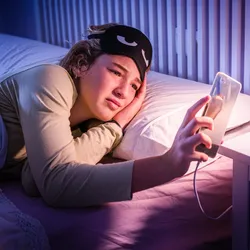
Think of the beliefs about your romantic relationships that haunt you when you’re lying in bed at night. There are the difficult thoughts that scare you, the ones you rarely say out loud. Things like:
- I’m not enough …
- Everyone I love leaves me …
- If I have needs or boundaries, they’ll get angry …
- If I show them who I really am, I’ll lose them …
3 of 8
Why Look for My Core Wound?
Your core wound is important to identify because it explains the storyline in the Movie in Your Mind. This movie plays softly in the background of your romantic relationships, whether you notice it or not. It shapes who you are, what you find exciting or threatening, and what feels like home.
If your love life feels like the 10th sequel in a franchise you never meant to start, the answer to why isn’t found in your string of exes. It’s in the core wounds you sustained early on and the patterns you’ve learned by accident about how to show up, what to fear, and what to expect from love.
Until you understand your movie, you’ll keep acting it out, even when you desperately want a different ending.
Here are two examples of how it works.
4 of 8
Our Heroine’s Movie: My Needs Are a Problem
How it was written: As a girl, whenever she expressed a need — for comfort, attention, reassurance — she heard a strained, “I can’t deal with this right now.” Not dramatic, just consistent messages that her needs were inconvenient. She learned that being “easy” made her lovable.
Storyline: To be loved, keep quiet.
How it plays out now: She’s been dating someone for a few months. They cancel plans two weeks in a row. She feels the sting but swallows it. Later, she thinks about bringing it up, but her whole body tightens. She tells herself she’s overreacting and talks herself out of saying anything. She silences her needs not because she lacks confidence, but because her script taught her that being “needy” pushes people away.
5 of 8
Our Heroine’s Movie: People Leave Me
How it was written: Her father wasn’t consistently available. Long absences, long silences —nothing she could rely on. Her nervous system learned that closeness is temporary.
Storyline: Don’t get attached. Protect yourself first.
How it plays out now: She meets someone new. It feels promising. One afternoon, he doesn’t text for a few hours and her stomach drops. He’s fading. She knew this wouldn’t last. By the time he replies, she’s already pulled back — short answers, cool tone. She’s not being dramatic; she’s bracing for a wound she learned to expect decades ago.
6 of 8
Analyze the Movie In Your Mind
Your movie isn’t hidden in your childhood memories; it’s playing out in your romantic life today. By looking at the parts of you that show up again and again (for example, the part that pleases, performs, avoids, or overthinks), you can find the place where your core wound lives. Seeing the Movie in Your Mind doesn’t just explain your patterns; it reveals the invisible architecture shaping your relationships.
To identify this movie, start with the emotional reflexes that show up before you can think them through; your core wound reveals itself in these moments.
7 of 8
Ask Yourself These 3 Questions
- When I feel hurt, what story do I immediately tell myself?
- When I want to speak up, what fear stops me?
- What version of me do I become when I don’t feel emotionally safe?
Here’s the kicker: Your movie may be pure fiction yet still run your life. It only has to feel true to become the emotional “evidence” you organize your love life around. Our movies romantically typecast us into roles again and again — until we replace them with new movies based on truth.
8 of 8
How to Rewrite the Script
Start by recognizing that your movie served a purpose long ago; it was your first form of protection.
But — and this is the part that really matters — you’re not that child anymore. While your movie shaped your past, it need not write your future.
Awareness won’t rewrite the script overnight, but it will interrupt the autoplay. And that interruption is the space you need to start making different choices.
Once you see the movie for what it is — a survival script, not your destiny — your love life will stop being shaped by fear. You’ll stop rehearsing the same part. You’ll stop loving from a place of self-protection.
And that’s when your ending finally changes.