For a long time, weight management was distilled to a simple formula: Reduce calories consumed through diet, increase calories burned through exercise, and repeat as needed.
But anyone who has ever tried to make this math add up in real life knows it is flawed to its core. Decades of scientific research have revealed obesity to be a complex, chronic, long-term condition. And the medical community has increasingly come to understand the many biological, genetic, environmental, psychological, and social factors that impact weight management.
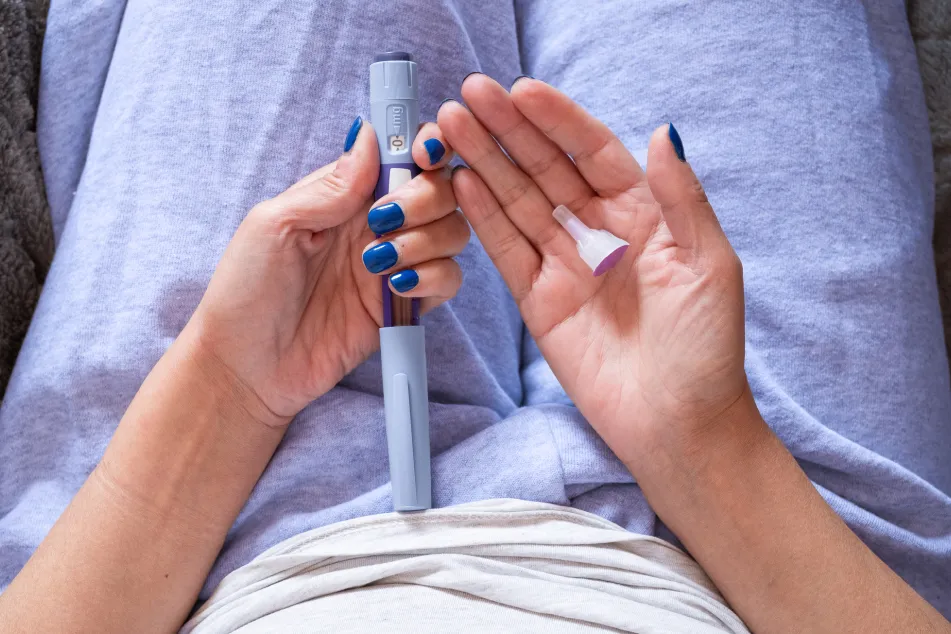
These scientific breakthroughs have made possible the development of transformative treatments for obesity and related conditions, including GLP-1 medications. Like the conditions they treat, though, GLP-1s are complicated, and managing them requires information and thoughtful planning.
This is just what Ariana Chao, PhD, CRNP, RN, offered at her recent Embody workshop, “GLP-1s and Beyond: Weight Loss Medications and Treatments Today.” Associate professor at the Johns Hopkins University School of Nursing, Chao shed light on the mechanisms, benefits, and side effects associated with GLP-1 agonists. Here are the top four insights she offered:
1. The benefits of GLP-1s go beyond weight loss.
Obesity is associated with more than 230 complications, including heart failure, stroke, obstructive sleep apnea, osteoarthritis, dementia, and hypertension. Recent research has found that GLP-1s may help with many of these conditions, as the medications are associated with improvements in cardiometabolic markers, glucose control, blood pressure, heart failure, and food noise.
“We've come to realize that if we treat obesity, which is the root cause of many of these conditions, we can help to improve outcomes,” Chao explained.
GLP-1 medications are FDA-approved for type 2 diabetes and accompanying chronic kidney disease, obstructive sleep apnea, and metabolic-associated steatohepatitis (MASH.) Researchers are investigating their utility in addressing a wide range of conditions including dementia, Parkinson's disease, substance use disorders, binge eating disorder, and cancer.
2. People respond to GLP-1s differently.
While GLP-1s are highly effective for most patients, there’s a wide variability in how people respond to these medications.
“Sometimes we have what are called super responders — people who, at the very lowest dose, are losing weight really rapidly,” Chao explained. “And then we also have people who might be non-responders or who might have less weight loss than anticipated.”
This variability necessitates working closely with a clinician who can set individualized expectations, provide behavioral support, and monitor your response.
3. Nutrition on GLP-1s takes effort and planning.
No matter what causes it, rapid weight loss can lead to loss of muscle mass. This can be prevented, but it requires careful consumption of protein. To optimize muscle protein synthesis, individuals should eat about 60 grams of protein a day, spread across meals.
“I'll have patients start their meals by eating protein first,” Chao said. “This is especially important just after people start taking GLP-1s because, as we’ve learned from experience with bariatric surgery, this is when people who are losing weight rapidly tend to be most at risk for losing muscle mass.”
Chao offered two protein strategies:
- If you have a very low appetite or are feeling nauseous, try drinking protein shakes.
- Make sure the protein you’re consuming is high-quality (protein packed with essential amino acids like fish, lean meats, and eggs, rather than protein-added products).
Also, drink 2 to 3 liters of fluids per day and consume plenty of fiber to prevent constipation: 21 grams per day for women and 30 grams per day for men.
4. Obesity requires long-term treatment.
Obesity is a chronic disease. GLP-1s, while extremely effective, are not a cure.
“If you stop these medications, studies show that, on average, people regain the weight they’ve lost,” Chao explained. “It’s similar to what happens if someone has hypertension and stops their hypertensive medication: Their blood pressure will go up.”
That said, Chao said she has witnessed a significant variability in how individuals respond to cessation of GLP-1 medication.
“I have patients who have been able to stop the medication and do really, really well,” she said. “They do feel hungry, so we do have to have a very structured lifestyle program for them. They check in with me really frequently and they're doing high levels of physical activity as well.”
Chao shared that she explores different maintenance strategies with patients who want to reduce their dose or stop taking GLP-1s. These include switching from an injectable to an oral medication, trying a first-generation obesity medication that is less potent, or exploring reduced or less frequent dosing options.