
10 Daily Habits to Help You Lose Weight

By Embody Editorial Team
Reviewed by Jabeen Begum, MDReviewed on February 20, 2025
photo of a plus size woman resting after city exercise

1 of 10

Start each day with a glass of water.

photo of a senior woman wand drinking water

Aim to drink one or two glasses of water before breakfast to ensure proper hydration, offset the corrosive effects of coffee, and/or curb your appetite, potentially leading to a smaller meal portions. Staying hydrated boosts your metabolism, which helps your body burn calories more efficiently.

2 of 10

Work out before breakfast.

photo of two senior black women exercising together

Exercising on an empty stomach may be especially effective for burning fat. Engaging in moderate physical activity before breakfast helps your body utilize stored fat for energy, enhancing the overall results of your workout. This routine can be a powerful tool in your weight loss arsenal.

3 of 10

Eat a high-protein breakfast.
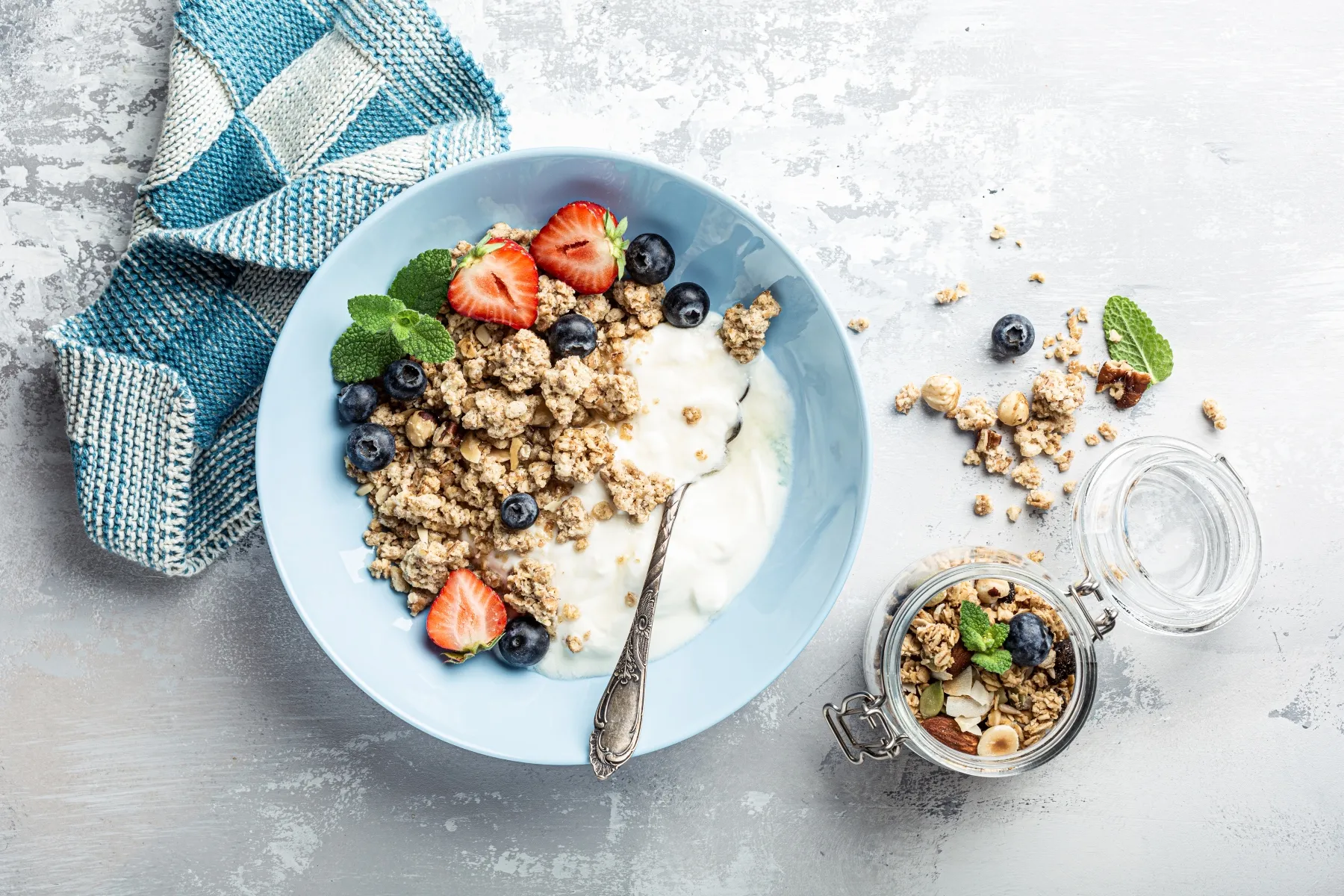
photo of homemade granola in blue bowl

Eating a high-protein breakfast can make you feel fuller longer, reducing the likelihood of mid-morning snacking. Protein is more difficult for the body to store as fat, and it requires more energy to digest than do carbs or fats. Consider meals like eggs with turkey sausage or a Greek yogurt smoothie with peanut butter and berries.

4 of 10

Plan your meals for the day.

photo of food on round plate, intermittent fasting

Taking a few minutes each evening or morning to plan your meals can help you make healthier food choices throughout the day. By deciding in advance what you will eat, you reduce the temptation to reach for high-calorie convenience foods. This habit helps you stay on track with your dietary goals.

5 of 10

Use measuring cups and spoons.
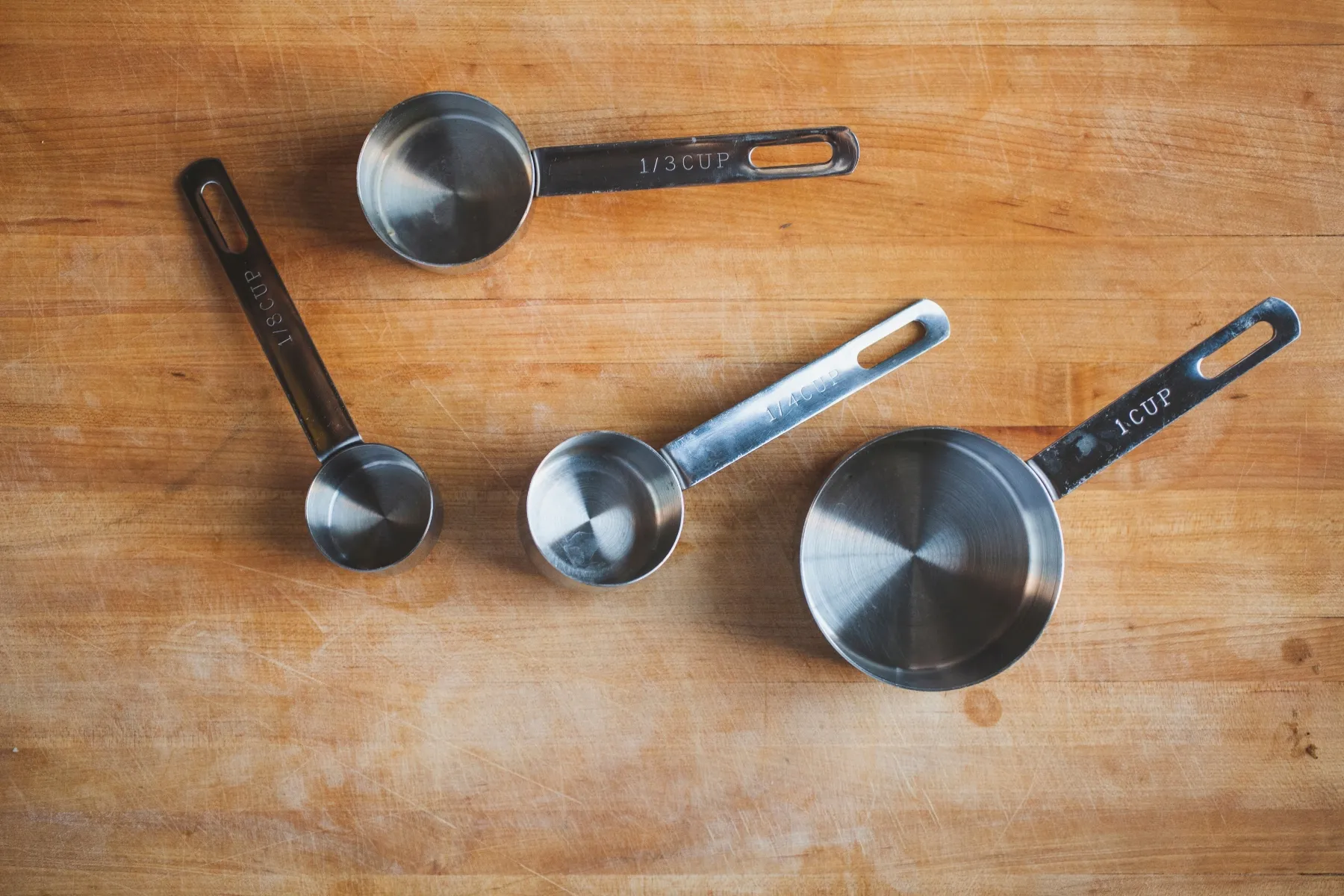
photo of various measuring cups on wooden table

Accurately measuring your food can prevent unintentional overeating. Keep tools handy in your kitchen to measure appropriate portion sizes, especially for calorie-dense foods like cereal or milk. This habit can significantly reduce your daily caloric intake.

6 of 10

Practice mindful eating.

photo of a woman preparing healthy food

When you take the time to focus on your food, appreciating its taste, texture, and aroma, you are more likely to feel satisfied after eating less. Avoid distractions such as TV or social media during meals. Mindful eating helps you recognize when you are full, which can prevent overeating.

7 of 10

Weigh yourself daily.
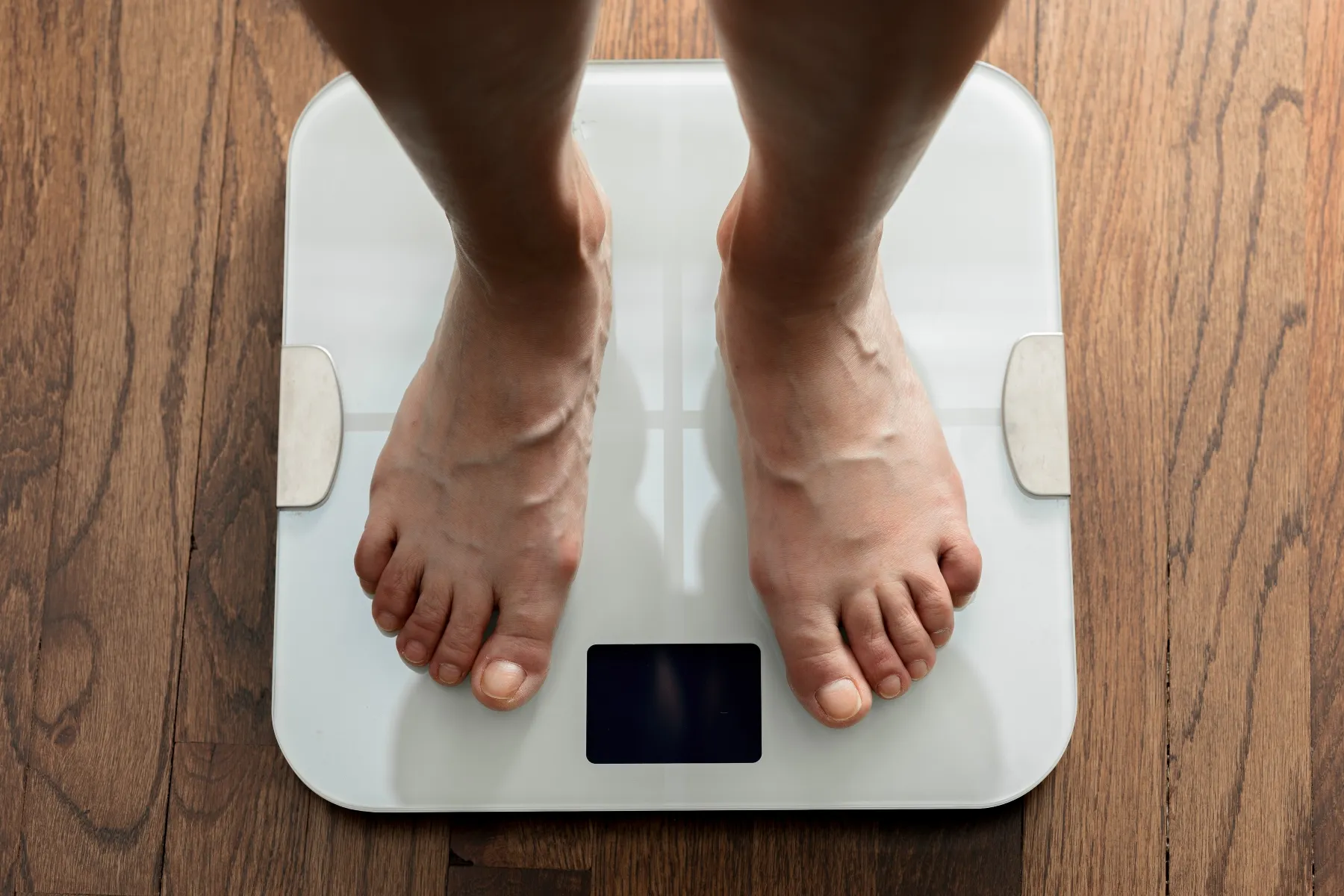
photo of feet standing on white digital bathroom scale over wooden floor

Weighing yourself each morning after using the bathroom can provide a consistent and accurate measuring stick; however, this practice is not advised for anyone with a history of eating disorders. For others, this daily reminder can provide motivation to stick to a healthy eating and exercise routine. Experts warn against becoming fixated on the scale, as weight can fluctuate due to various factors.

8 of 10

Get some sunlight.

photo of a mature African-American woman exercising on waterfront

Exposure to natural sunlight in the morning has been linked to a lower body mass index (BMI). Sunlight helps regulate your circadian rhythms, which can improve your sleep patterns and overall metabolism. Aim to spend a few minutes outside each morning.

9 of 10

Set up triggers for healthy habits.
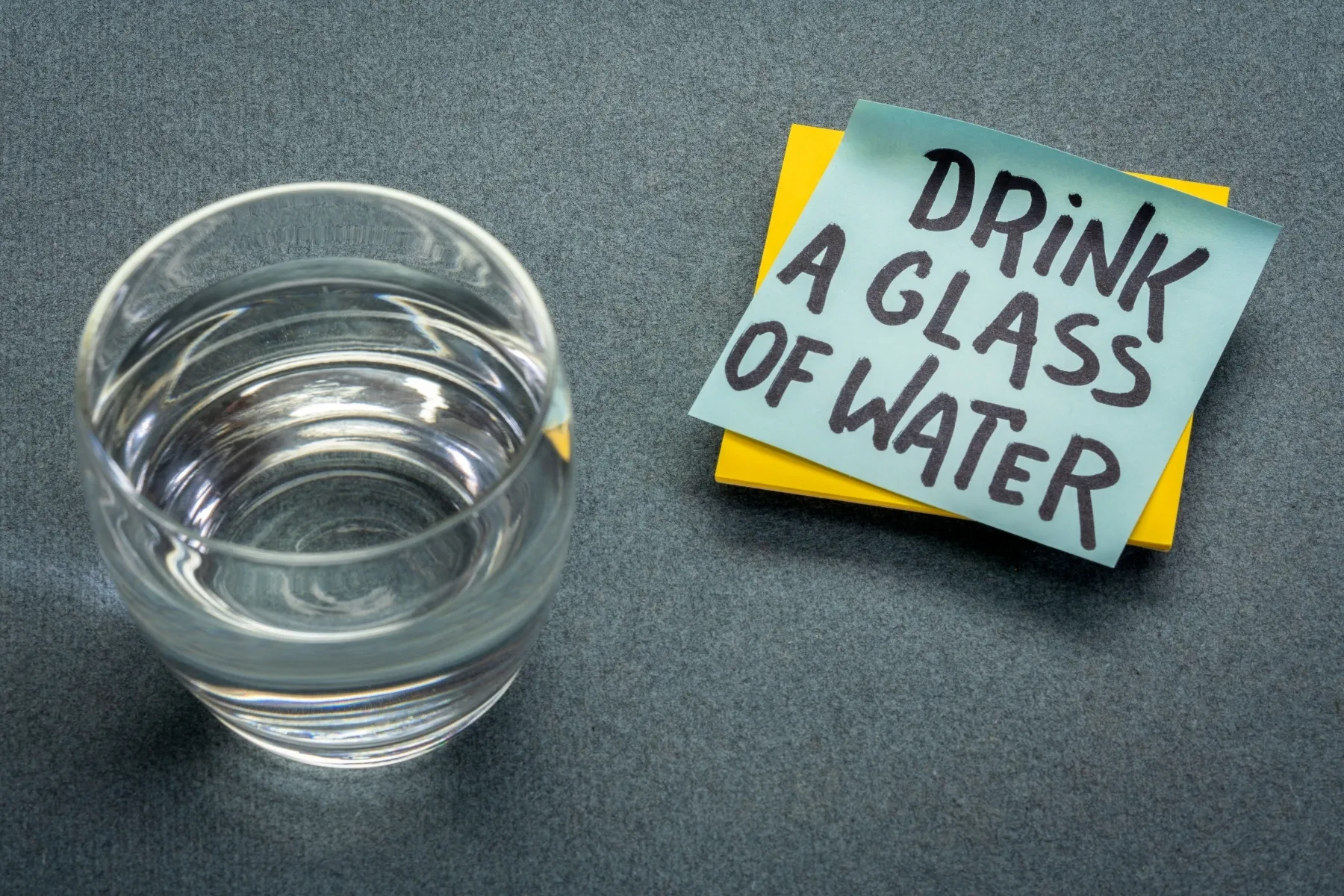
photo of drink a glass of water

Positive triggers can remind you to stick to your new habits. For instance, set an alarm to remind you to drink water, or place a sticky note on your fridge to encourage healthy snacking. Associating your new habit with an existing routine, like drinking water after washing your hands, can make it easier to remember.

10 of 10

Support your new habits.

photo of female friends sitting against window in yoga studio

Enlist the help of friends, family, or online communities to support your weight loss journey. Sharing your goals and progress with others can provide motivation and accountability. Additionally, positive affirmations and self-talk can reinforce your commitment to new habits.


Photo Credits:  

Hero Image: Moment/Getty Images

1. E+/Getty Images
2. E+/Getty Images
3. Moment/Getty Images
4. Moment/Getty Images
5. Cavan/Getty Images
6. E+/Getty Images
7. Moment/Getty Images
8. E+/Getty Images
9. iStock/Getty Images
10. Cavan/Getty Images


SOURCES:

Fogg, B. Persuasive Technology Lab, Stanford University: “A Behavior Model for Persuasive Design,” 2009.

The Stanford Behavior Wizard: ""GreenPath Behavior Overview;"" ""BluePath Behavior Overview;"" and ""PurplePath Behavior Overview.""IMAGES PROVIDED BY:

Cleveland Clinic: “When Is the Best Time to Weigh Yourself?”

Journal of Clinical and Diagnostic Research: “Effect of ‘water induced thermogenesis’ on body weight, body-mass index, and body composition of overweight subjects.”

Johns Hopkins University: “Yes, drinking more water may help you lose weight.”

Journal of Clinical Endocrinology and Metabolism: “Lipid Metabolism Links Nutrient-Exercise Timing to Insulin Sensitivity in Men Classified as Overweight or Obese.”

The Proceedings of the Nutrition Society: “Is exercise best served on an empty stomach?”

National Association of Sports Medicine: “Protein and Weight Loss: How Much Protein Should You Eat to Lose Weight?”

Intermountain Healthcare: “Quick and Easy High Protein Breakfast Ideas.”

Beaumont Health: “Health Benefits of Meal Planning.”

Sunlight Institute: “Staying Slim With Sunlight.”

Leukemia and Lymphoma Society: “Portion Control.”

Mayo Clinic: “Lose weight with mindful eating,” “Weight loss: feel full on fewer calories.”

HealthySD.gov: “The best and worst beverages for weight loss.”

Rutgers University: “Lose Weight Without Dieting.”

Oregon State University: “Fill It Up? How the Shape of Your Glass May Affect Your Shape.”

CDC: “Planning Meals.”

Cedars-Sinai: “Health Effects of a Long Commute.”

American Academy of Nutrition and Dietetics: “Creating a grocery list,” “7 Ways to Enhance the Flavors of Your Meals.”

Appetite: “Capsaicinoids and capsinoids: A potential role for weight management? A systemic review of the evidence.”

Penn Medicine: “Spice Up Your Life: The Health Benefits of Spicy Foods.”

Sleep Foundation: “Weight Loss and Sleep.”SOURCES:

Caroline Apovian, MD, Nutrition and Weight Management Center, Boston Medical Center.

Monica Auslander, registered dietitian, Essence Nutrition, Miami.

Alison Borkowska, PhD, WeightNot.

Jewels Lett, registered dietitian.

Jessica Levings, Balanced Pantry.

Dana Simpler, MD, Mercy Medical Center.

Adrienne Youdim, MD.

Robert Ziltzer, MD, Scottsdale Weight Loss Center.

Academy of Nutrition and Dietetics: “Staying Away from Fad Diets.”

BMJ Open: ""Effects of changes in eating speed on obesity in patients with diabetes: a secondary analysis of longitudinal health check-up data.""

Canadian Family Physician: ""Intermittent fasting and weight loss""

Cell Metabolism: ""Late isocaloric eating increases hunger, decreases energy expenditure, and modifies metabolic pathways in adults with overweight and obesity.""

CDC: “Losing Weight.” ""Physical Activity for A Healthy Weight.""

Cleveland Clinic: ""Is it Healthy to Lose 10 Pounds in a Week?""

Diabetes Spectrum: ""Mindful Eating: The Art of Presence While You Eat.""

Harvard Health Publishing: ""4 intermittent fasting side effects to watch out for.""

Harvard Nutrition Source Diet Review: ""Intermittent Fasting for Weight Loss.""

International Journal of Behavioral Medicine: “The association between rate of initial weight loss and long-term success in obesity treatment: does slow and steady win the race?”

 International Journal of Behavioral Nutrition and Physical Activity: ""The effect of a motivational intervention on weight loss is moderated by level of baseline controlled motivation.""

Johns Hopkins Medicine: ""Intermittent Fasting: What is it, and how does it work?""

Mayo Clinic: “Chart of High-Fiber Foods,” ""Diet: 11 setback recovery tips,"" ""Low-glycemic diet: What's behind the claims?"" ""Weight Loss.""

Mount Sinai: ""Rapid Weight Loss.""

National Heart, Lung, and Blood Institute: “Healthy Eating Plan.”

Nutrients:  ""Slow Down: Behavioural and Physiological Effects of Reducing Eating Rate,"" ""Sleep Deprivation: Effects on Weight Loss and Weight Loss Maintenance."" 

Obesity Reviews: “Lessons from obesity management programmes: greater initial weight loss improves long-term maintenance.”

Patient Education and Counseling: ""Goal setting as a health behavior change strategy in overweight and obese adults: a systematic literature review examining intervention components.""

USDA: “All About the Protein Foods Group.”

This content was created using several editorial tools, including AI, as part of the process. Human editors reviewed this content before publication.

photo of a teenager with yellow and pink hair

Every Body Is Welcome Here

Nourish your whole self with science, strategies & support from the Embody Digest.

By clicking Subscribe, I agree to the WebMD Terms & Conditions & Privacy Policy...