Somewhere between New Year's Day and mid-February, that initial spark of excitement over a fresh weight-loss resolution begins to die. The question isn't whether motivation will fade. The question is: What will keep you going when it does?
The answer, increasingly supported by research, is this: accountability. And it comes in many forms.
1 of 4
The 'Account-a-Buddy' System

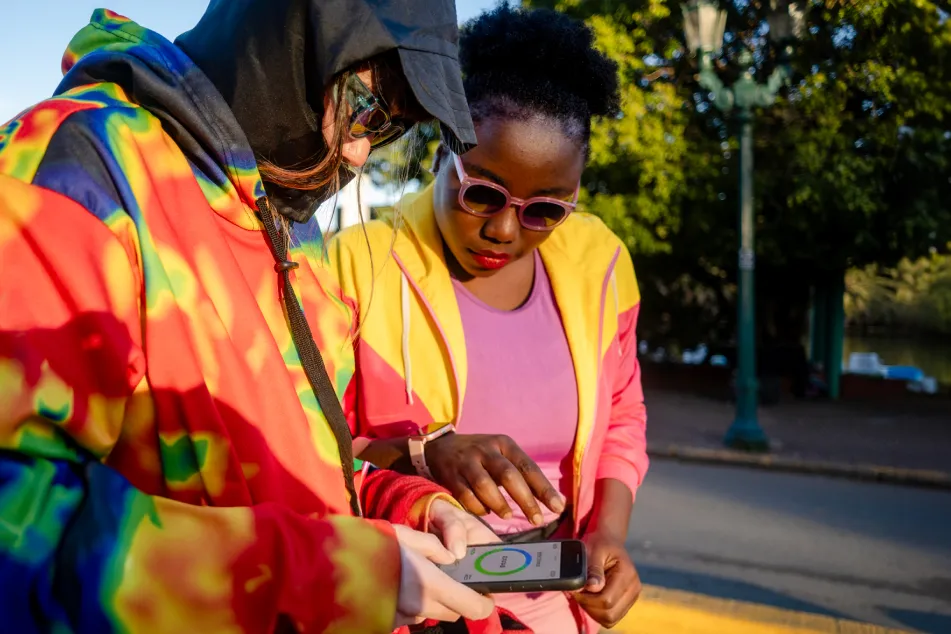
Have a trusted friend — maybe someone who's also looking to achieve similar goals — with whom you can check in. Send them a text or photo every time you experience a small win, like choosing water over soda or going for a 15-minute walk. We call this having an "account-a-buddy," someone who can offer positive accountability.
When someone else knows about your goal, your brain treats those goals differently. Neuroimaging studies show that committing to shared objectives with others engages the medial prefrontal cortex, a brain region involved in representing goals and social contracts. This brain activation may help improve follow-through in ways that private or internal commitments alone don't. The goal becomes more real, more important, when it is exposed to oxygen and to others.
A study by the American Society of Training and Development found that committing to someone to achieve a specific objective gives you a 65% greater chance of meeting it. If you set up a specific "accountability appointment" — a regularly scheduled check-in where you and your account-a-buddy meet (whether in person, by phone, or via video) to discuss your progress and challenges — your chance of success reaches 95%.
2 of 4
The Weight of Weekly Weigh-Ins

Weigh yourself weekly. What you're doing is collecting objective data. People tend to underestimate the calories they've eaten. They tend to overestimate the amount of physical activity they do, and that's a recipe for weight gain. Regular weigh-ins provide external accountability that counteracts these cognitive biases.
A fairly robust body of research shows that tracking your progress helps keep motivation high. A 2024 review of 31 studies concluded that self-monitoring practices, especially regular weigh-ins, can help people lose more weight. It works even better if you also track calorie intake and physical activity, the review found.
3 of 4
The Power of Group Supports

Research on the motivational effect of social groups dates back to the 19th century. It's called social facilitation theory — the idea that people will try harder in the presence of others.
Recent study reviews back it up: Group programs help many people shed 5% or more of their body weight within six months to a year, and they tend to be more effective than going it alone. Online and digital programs with social support are just as effective as in-person ones, the research shows.
What matters is choosing a program with regular group or coach accountability. I'm not a spokesperson for Weight Watchers, but that program is one good example.
A 2024 comprehensive review found that continued supervision — regular weigh-ins, group meetings, and phone calls — significantly improves intervention success. Participants rated personalized support and accountability very highly, and the therapeutic relationship seemed to matter more than the treatment itself. In other words, the structure and human connection in programs like Weight Watchers (weekly meetings, group leaders, peer support) may drive outcomes more than the specific dietary approach.
4 of 4
Making It Visual

Take pictures of what you're eating. At the end of the day or the end of the week, look through the pictures and ask yourself, "How do I feel about eating that? Maybe I could get a small salad next time and half of the meal?" This isn't about beating yourself up. It's about collecting and reviewing more data.
Several small studies and randomized trials have linked this strategy to more weight loss — possibly because it's easy to do, leading to higher adherence.
It also serves multiple purposes: It creates a record, it forces momentary awareness before eating, and it provides material for discussion with your account-a-buddy or support group.