
You already know that breaking down goals into smaller intentions can make them easier to accomplish. If you want to run a 5K, for example, start with a mile-long walk. Instead of setting out to lose 20 pounds, aim for 5.
But for many of us, even these smaller goals can seem daunting, and that’s because they’re still too big. If we could have lost 5 pounds, we would have done that already.
This is when I advise clients to pulverize their goal — make it so tiny that it’s a no-brainer. Once you nail down the teeny habit associated with that microscopic goal, you can add to it.
Here are the three steps to downsizing your goals:
1 of 5
Pick Just One Goal

What, specifically, do you want to change? If you’re focusing on your weight, there are many ways to approach this, from choosing more nutrient-dense foods to exercising. It’s impossible to tackle all of them at once, so choose one place to start.
Think about which might be the easiest to tackle and which means the most to you. Maybe it’s exercise because you want to feel stronger. Maybe it’s healthier foods because you want to have more energy.
2 of 5
Brainstorm Ways to Break It Down
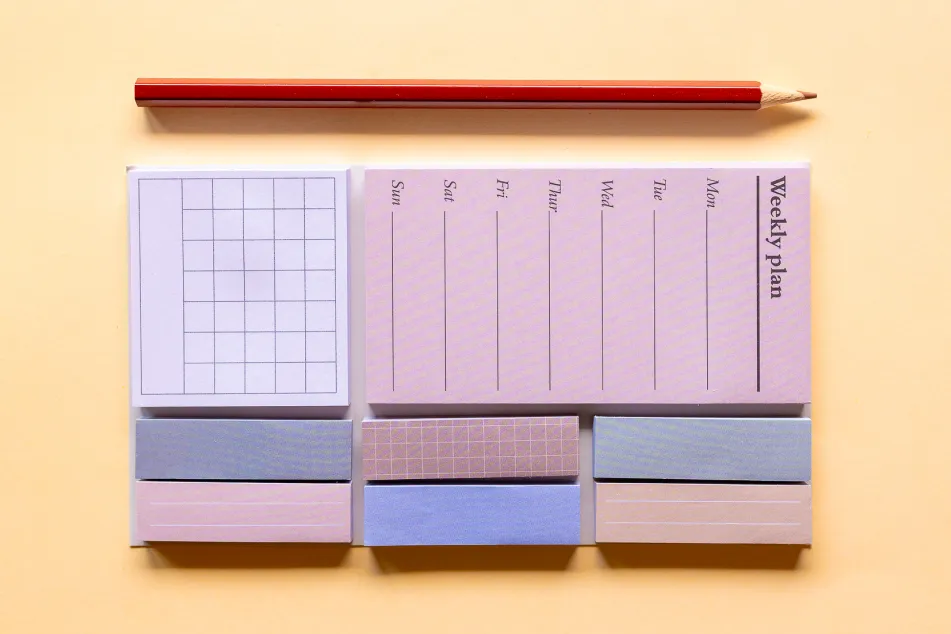
Once you have your smaller goal, such as eating fewer empty calories, jot down all the dozens of ways that you could accomplish this. You could do intermittent fasting or you could join a weight loss group. Maybe you aim to have one less alcoholic drink a week or cut out your late-night snack, or drink more water throughout the day.
Consider which of these ideas are really, truly doable, and scratch out the rest. Look at your much shorter list, and ask yourself, which one do you want to do now?
3 of 5
Pulverize That Habit
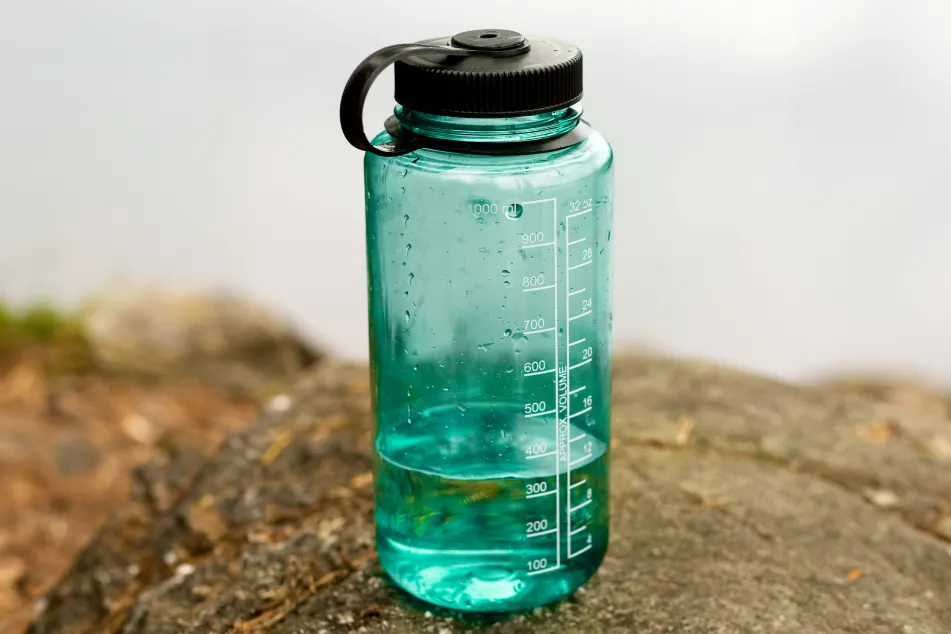
That small behavior, such as drinking more water, sounds relatively easy, but it’s still a big goal. The bigger the goal, the more barriers are likely to pop up. Maybe sipping water throughout the day seems inconvenient, and you dread the thought of lugging around a water bottle. Maybe you only like icy-cold beverages. By pulverizing the habit into tiny steps, you also pulverize the barriers.
Ask yourself: What is the tiniest step I can take toward my goal? Instead of drinking two bottles of water, resolve to drink two sips. Keep your water in the fridge or in a Yeti-type tumbler so it’s always chilled.
4 of 5
Hook the New Habit to an Old One

Attach the tiny, new habit to an old, sturdy one you're already doing. The existing habit will serve as a cue for the new behavior.
For me, an effective cue for drinking water was opening the refrigerator door. I tend to go to the refrigerator often in search of food, but what I really want to do is replace, or at least supplement, my habit of snacking with drinking water. So my teeny tiny habit was that every time I opened the refrigerator door, I'd drink two swallows of cold water I kept in plain view, labeled on the middle shelf at eye level.
5 of 5
Have Patience. Building Momentum Takes a While

Tackling one pulverized habit at a time may seem like it will take forever. It’s true that building something enduring does take time. Making a big change to your habits is faster, but it often leads to overwhelm and abandonment, which results in no progress at all.
Following through with a tiny behavior change leads to a tiny win, which leads to a tiny confidence boost, which leads you to repeat the new behavior. The tiny behavior becomes a habit, which allows you to stack on another new behavior. This creates momentum.
The deepest value of pulverized habits is that they strengthen your belief in yourself. If we can believe that we can do it, then we're much more likely to try.