
Why do new habits so often fail to stick? Don’t blame laziness, poor willpower, or inconsistent motivation.
There’s no secret ingredient that promotes habit growth (it’s a combination of things instead), but there is one prerequisite: self-belief. Also helpful are aligning your identity with your new habit, planning for mistakes, and resisting the temptation to compare and despair. Of course, none of this happens without self-compassion and a growth mindset.
“Maybe you believe that habits are so tricky they feel almost impossible to approach, but I want to remind you that habits can be simple if we allow them to be,” said Christine Li, PhD, a psychologist, author, and podcaster, during her 2025 Embody webinar “You Deserve the Change You Desire: How to Build Habits That Last.”
Here are five unconventional truths about habit formation from Li that may change your mindset for the better.
1 of 5
If you don't think you'll succeed, you won't.

Self-belief is not a bonus; it is a requisite for habit formation and habit change. The stories that we tell ourselves shape the actions we take. The more we believe we can, the more likely we will.
“Your brain is so brilliant — it listens to your limiting beliefs and saves you the effort of trying,” Li said about the ways that self-doubt sabotages new habits. “Why would you start something that you don’t believe is going to come to fruition?”
Your new habit may require you to make a change that conflicts with how you’ve seen yourself historically. This conflict, or identity mismatch, must be addressed before habits will stick.
“You want to see yourself as a runner, but you've never been a runner,” Li said. “Put in some time seeing yourself as a runner first. Occupy and embody the identity of being a runner and your habit will catch up with you."
2 of 5
Grow your confidence by crafting small goals.

The most persuasive evidence that you can do something is that you’ve already done it. Start achieving your goals by making them really small and doable. Instead of eating three portions of fresh veggies daily, eat one carrot a day. Whether enormous or tiny, change is change is change.
“When you succeed in these small, doable habits,” Li said, “you are a changed person.”
3 of 5
Release what holds you back.
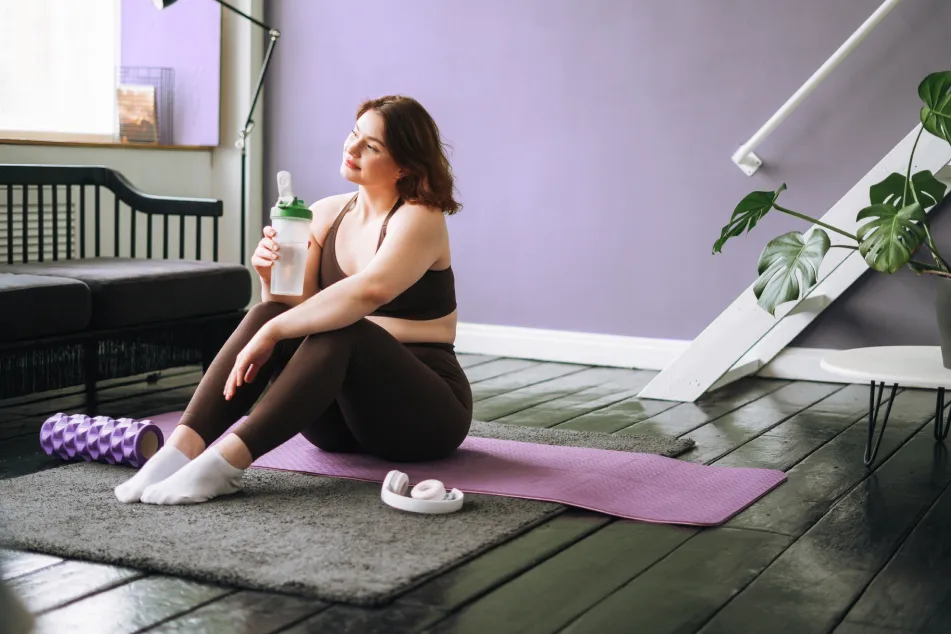
“I’m disorganized.” “I’m lazy.” “I am not an exercise person.” Over time, the stories we tell about ourselves can feel unchangeable — but they’re not. Investigate the narrative you’ve spun about yourself. Ask: “Is this accurate? Is this helpful?”
Often, these old narratives and old habits developed for a purpose. Once you realize that they no longer serve you well, consciously decide to let them go.
“Say to yourself, ‘I honor this habit, but I also let it go. And I get to do that because I am the boss,’" Li said. “You can forgive yourself now and start fresh.”
4 of 5
Comparison is the thief of habits.

Comparing yourself to others is tempting, natural, and incredibly unhelpful. Your neighbor or sister-in-law may seem to eat better, exercise more, and keep a cleaner house than you do. But they’re fundamentally different people, so it’s a waste of time and energy to compare their apples to your oranges. Pour that attention into developing a deep understanding of yourself.
“Your focus is precious. Focus on yourself.”
5 of 5
The result of what you do isn’t as important as the doing.
Your new habit will encounter hard, frustrating days. You’ll watch TV instead of doing yoga. You’ll stay up far too late. Expecting this will help you feel less thrown off course. Prepare for this by developing a “trigger plan.”
“It’s an emergency plan,” Li said. “What will you do if things go south? Call a friend. Walk around the block. Whatever restores your sense of self goes into the plan.”
When you stumble or fall short, your inner critic will reliably chime in with negative self-talk. But here’s the thing: self-criticism is counterproductive.
“Yelling at yourself keeps you small, afraid, and distracted from the real action you want to be taking,” Li said. If you’re able to believe in yourself and persist despite setbacks, what you’re growing is not just an exercise routine, but the ability to change. And that is transformative. “Pursuing the habit is a worthy goal,” Li said. “Regardless of the result.”