The reward center in your brain lights up with each genuine compliment you receive. Recognition triggers the release of feel-good chemicals like dopamine and oxytocin, and happiness ensues. This, in turn, fuels motivation.
This neurochemical reaction inherently makes sense, which is why we generously and instinctually dole out kudos to our friends or kids when they make progress toward a goal or jump a hurdle. So why do we so often mute our inner cheerleaders and refuse the self-praise we deserve?
When we're developing new habits, we tend to punish ourselves for making mistakes or falling short. "I screwed up again," says our inner critic. "I didn't make it to the gym. I ate the ice cream. I'm hopeless." These jabs and slaps are common but rarely effective at motivating behavior change.
Shifting our focus from small setbacks to small victories helps reinforce the new behavior, making it more likely to continue. Praise supports, rather than sabotages, our efforts at change.
Here's how to begin celebrating your wins, and reaping your rewards.
1 of 3
Choose what to celebrate.

What sort of "wins" deserve recognition? Every little step toward establishing a desired habit.
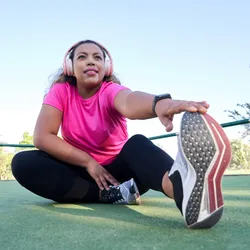
For example, if you're trying to be more active, a tiny goal would be standing up from your desk chair every half-hour and stretching. Your next goal might be walking around the block.
2 of 3
Give yourself mini kudos – out loud.

Here's how to do it. When you accomplish a mini goal, however tiny, immediately say "woo-hoo" or "yes" with fists raised in the air.
It will feel awkward. When you're accustomed to a steady state of self-criticism or shame, celebrating yourself can feel silly or even egotistical. Just keep doing it, out loud.
Here are some alternatives that may fit you better:
- Give yourself a mini hug.
- Make a thumbs-up.
- Say "Good job" or "Awesome."
- Nod your head to acknowledge your effort.
3 of 3
Fake it until you feel it – and don't stop.

Over time, self-congratulations start to feel authentic. Celebrating yourself will become a habit. As your goals shift and grow, so too can the targets of your praise. If you cheered standing up and stretching when you started, maybe now you can celebrate walking around the block.
If the novelty of the "woo-hoo" wears off, and you find that you've stopped rewarding yourself, keep the habit fresh by adding reminders to celebrate on Post-Its or your phone.
You can also seek outside accountability and feedback. For example, your partner or friend could help by asking, "Did you celebrate your effort?" If you're working with a life coach, personal trainer, or dietitian, they could offer reminders, too.
Habits rarely take hold because we shame or criticize them into existence. They respond best to positive feedback. Sometimes, we can get that encouragement from others, but it's essential that we learn how to offer it to ourselves.