Talk about a catch-22: Losing weight can improve obstructive sleep apnea (OSA), but OSA — disrupted sleep, constant fatigue, low energy — can derail efforts to exercise and follow a healthy nutrition plan.
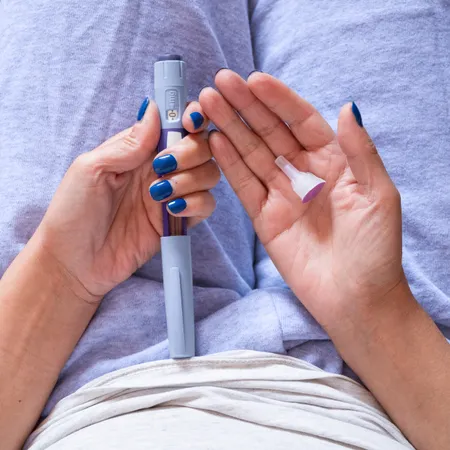
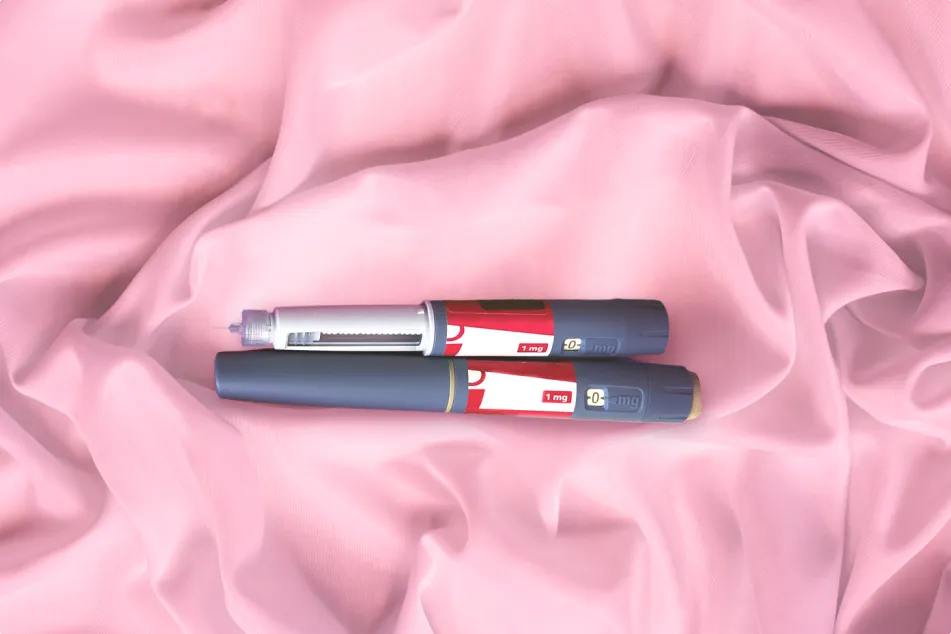
New weight loss medications known as GLP-1 agonists — highly effective drugs that include semaglutide (Ozempic, Wegovy) and tirzepatide (Mounjaro, Zepbound) — have been shown to reduce symptoms of the common sleep disorder, which causes temporary pauses in breathing during sleep and increases the risk of serious conditions like heart disease and diabetes.
Here's what to know about that research and whether these medications might be appropriate for you.
The Obesity-Sleep Apnea Connection
Obesity and sleep apnea are closely linked. About one-quarter of people with obesity also have sleep apnea. Excess fat in the neck and gut can narrow the upper airway and reduce lung capacity, making breathing during sleep more difficult. At the same time, sleep disruptions affect hormones that regulate appetite — like ghrelin, which stimulates hunger, and leptin, which signals fullness. This creates a vicious cycle: Weight contributes to sleep apnea, and sleep apnea makes it harder to manage weight.
Research shows that GLP-1 medication can help people lose up to one-fifth of their body weight and trim up to 7 inches from the waist.
“With a 20% change in weight, there’s a 50%-60% [reduction] in the apnea hypopnea index” — the number of times breathing is disrupted during sleep, said Atul Malhotra, MD, a sleep medicine specialist at the University of California San Diego, at the World Sleep 2025 conference in Singapore.
Research on GLP-1s for Sleep Apnea
Two recent studies in patients with obesity and moderate-to-severe sleep apnea found that patients who took tirzepatide alone and those who took tirzepatide along with using a CPAP (continuous positive airway pressure) machine showed marked improvements in their symptoms.
Some patients not only reduced breathing disruptions, but their scores dropped so low that they were considered in remission.
Those taking tirzepatide also reported fewer sleep disturbances and less sleepiness during daytime hours. Another study published in Sleep Medicine found that snoring, fatigue, and sleep quality all improved as a result of the GLP-1 agonist medication.
Participants who took tirzepatide — whether alone or in combination with a CPAP — also spent less time with blood oxygen levels falling below 90%, a dangerous threshold that can tax the heart and increase the risk of heart attack and stroke.
They also had significantly lower systolic blood pressure readings. “These patients weren’t starting off with severe uncontrolled hypertension,” Malhotra said. “These were patients on medications, so a 9.5 mmHg improvement was more than was predicted.”
In terms of side effects, one-quarter of people taking tirzepatide in both studies experienced gastrointestinal side effects like nausea, vomiting, and constipation, which often diminished over time. Less than 1 out of 100 experienced pancreatitis.
Based on these results, the FDA approved Zepbound for the treatment of OSA in December 2024, making it the first pharmacological treatment for sleep apnea.
Could a GLP-1 Improve Your Sleep Apnea?
Start by talking to your doctor or a sleep specialist about the risks and benefits of taking a GLP-1 agonist for OSA. Keep in mind that, so far, Zepbound is the only GLP-1 drug approved for sleep apnea.
While many insurers won’t cover weight loss drugs for obesity alone, your insurance may cover Zepbound if your doctor prescribes it for sleep apnea and you also have a BMI of 30 or higher. Without insurance, the drugs can be pricey — potentially hundreds or even $1,000 or more a month — though the U.S. government recently struck deals with the makers of tirzepatide and semaglutide (Eli Lilly and Novo Nordisk) to cut costs, potentially making the medications available for less than $350 a month in the future.