
If you're taking a GLP-1 for weight loss or diabetes, your doctor probably warned you about the risk of muscle loss associated with these medications. An estimated 20% to 25% of the weight people lose on GLP-1s is from muscle, not fat, according to studies.
Preserving muscle is important for a host of reasons besides strength. Muscle plays a key role in bone health, immune health, blood sugar regulation, and overall longevity. Muscle is also essential for metabolic health and weight regulation. Because muscle causes your body to burn calories at rest, when you lose muscle, your metabolism slows.
Protecting and maintaining muscle is particularly important when you’re taking a GLP-1. The drugs have an indirect effect on a number of factors that can lead to muscle loss. Researching these challenges, and expert-approved solutions to address them, can help you protect your muscles, so they can, in turn, protect you.
1 of 6
Problem: As You Lose Weight, Muscles Shrink
Your body weight puts a mechanical load on your muscles, so they grow bigger and stronger to support that weight. When you lose weight, the opposite happens — with less load to carry, muscles shrink.
Gradual muscle loss isn’t always a problem. But because the weight loss that occurs while taking a GLP-1s is often rapid and dramatic, the accompanying muscle loss follows suit. Over time, this can lead to decreased endurance, strength, and balance as well as joint pain, among other challenges.
2 of 6
Solution: Ramp Up Resistance Training
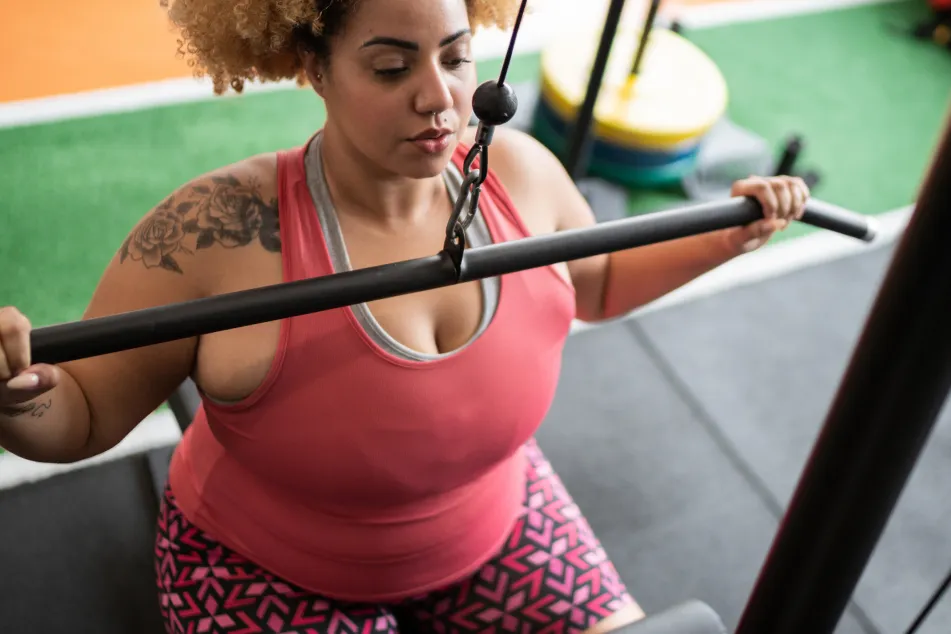
Studies show that resistance training can reduce or even prevent muscle loss in people who are on weight loss drugs or a restricted-calorie diet. The standard recommendation is to do resistance training two to three days a week for about 30 minutes each session, but for some people on GLP-1s, additional strength training may be necessary.
Heavy lifting builds muscle, so focus on increasing your weights or resistance. Rather than doing three sets of 10 to 12 repetitions with a lighter weight, aim to do three sets of six to eight repetitions with a heavier weight.
To avoid injury, always start slowly. If you’re new to resistance training, consider working with a personal trainer for one or two sessions to learn proper technique and to create a program tailored to your body.
3 of 6
Problem: GLP-1s Sap Your Energy
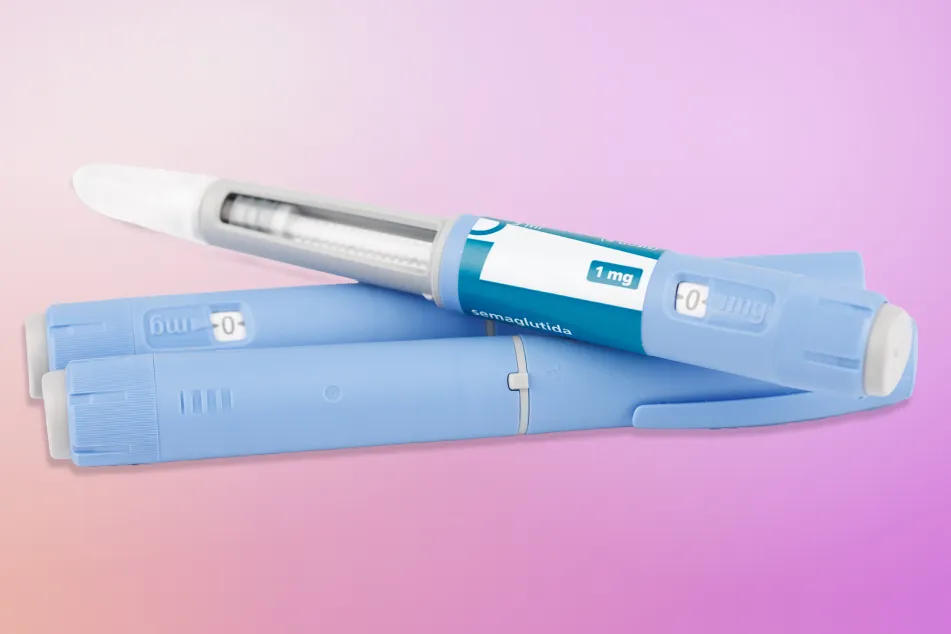
GLP-1s work by suppressing your appetite and increasing your feeling of fullness, which naturally causes you to eat less food. People tend to eat 16% to 39% fewer calories on the medications, which amounts to about 320 to 780 fewer calories per day for an adult female.
In addition, research shows that people on GLP-1s tend to eat fewer energy-dense foods, which have things like carbohydrates and fats, and more fruits and veggies, which contain fewer calories.
Taking in less fuel means you have less energy to power your activities, including exercise. Consuming less food also makes it harder to consume enough essential vitamins and minerals, and these kinds of deficiencies can contribute to fatigue.
4 of 6
Solution: Eat Intentionally for Energy
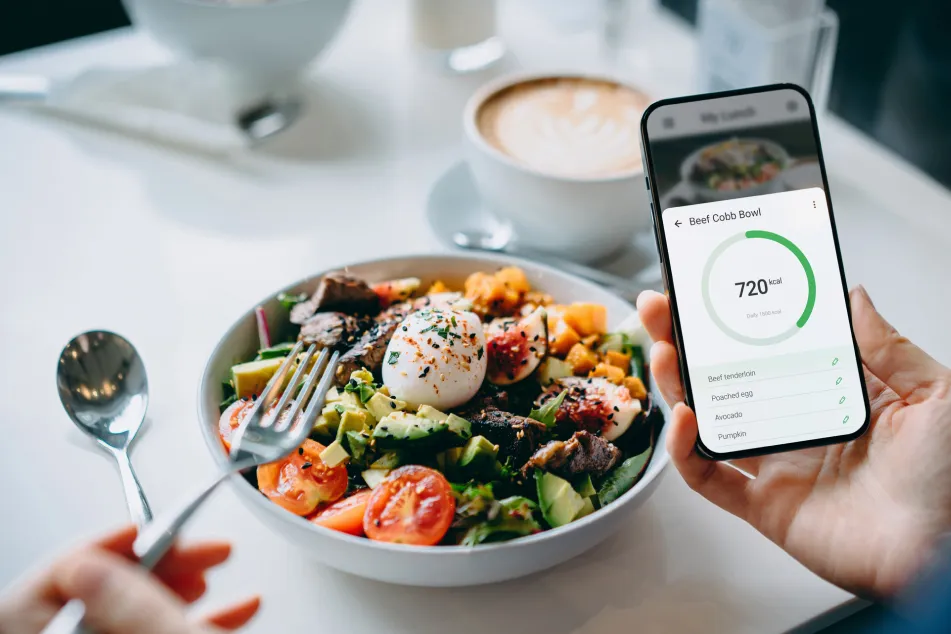
After years of dieting, it’s second nature to pursue a goal of eating as few calories as possible, but a shift in approach is necessary once GLP-1s are introduced. Here’s how to make sure you’re fully fueling your body, including your muscles:
- Eat before exercise. To feel energized enough for exercise, try to eat one to two hours before working out.
- Use a food tracking app. You may be eating a lot less than you realize. If you track what you eat for the few weeks you’re on a GLP-1, you can gauge your caloric intake.
- Try not to skip meals. Set a timer to remind yourself to eat if you’re not experiencing hunger cues.
- Eat more often. Your stomach moves food into your intestine slower when you’re taking a GLP-1, so you get full faster. To avoid the discomfort or nausea of a big meal, eat smaller meals more frequently.
- Choose nutrient-dense foods with protein and fiber rather than ultra-processed foods or foods high in simple carbs and fats.
- Drink eight to 10 glasses of water. You may not feel thirsty when you’re on a GLP-1, and it’s easy to drink less because you’re eating less. That can leave you dehydrated, especially if you exercise and don’t hydrate enough.
5 of 6
Problem: You’re Eating Less Protein, Needed for Muscle Repair
Strength and resistance training causes microscopic tears in your muscles that, when healed, make the muscles stronger than before. Protein is essential in this healing and rebuilding process, as it contains the amino acids necessary for these repairs.
Because GLP-1s lower appetite and reduce the overall amount of food you consume, they also tend to reduce your intake of protein. Studies show that low protein intake contributes to muscle loss in people on GLP-1s or calorie-restricted diets.
6 of 6
Solution: Prioritize Protein During Meals
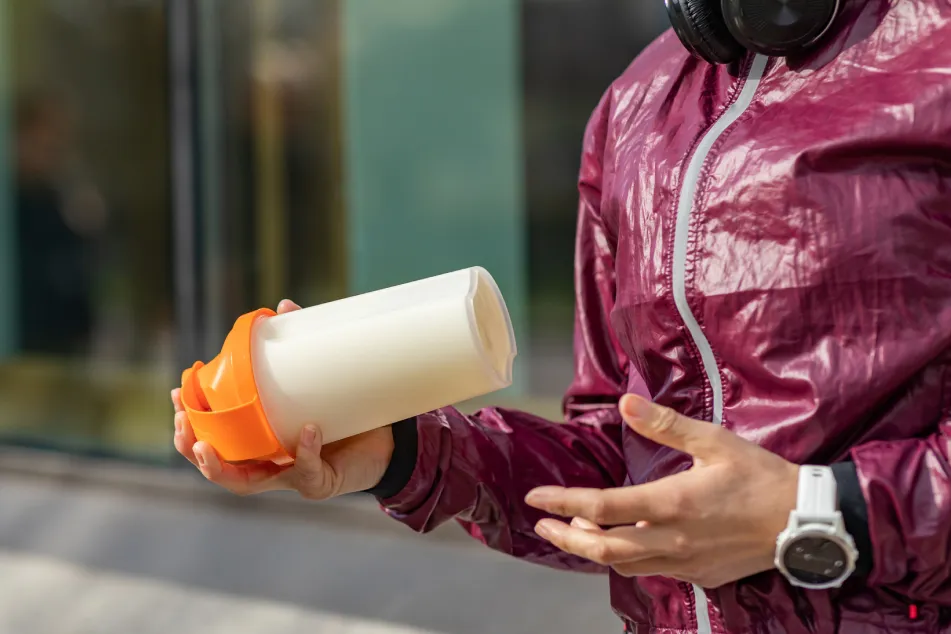
If you’re taking a GLP-1, you should consume even more protein than the recommended daily allowance. Experts recommend eating 1 to 1.2 grams per kilogram of body weight. For someone weighing 150 pounds (68 kilograms), that equals 68 to 82 grams of protein daily.
- Start by tracking your food intake to notice how much protein you’re eating, as a baseline.
- Prioritize protein by eating it with every meal, and starting your meals with it.
- Try to spread protein throughout the day rather than saving it for dinner.
- Choose low-volume, protein-rich foods like fish, eggs, Greek yogurt, cottage cheese, and nuts/seeds (and their spreads, such as peanut or almond butter).
- If you’re not hungry, try a protein shake or bar to supplement your food intake.